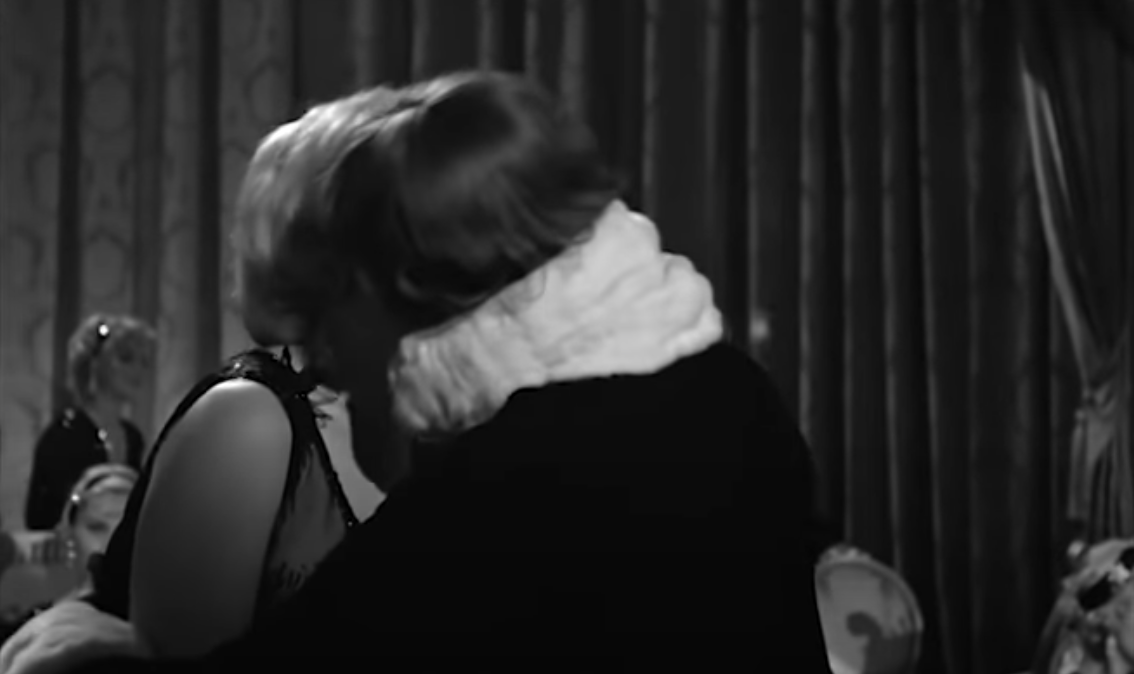
20: My Ship (1941)

This song is about how we got here.

NB. Major spoilers ahead for Lady in the Dark (1944) and Phantom Thread (2017).

I first heard ‘My Ship’ several years ago – probably Nancy Wilson’s very beautiful big band recording from 1963, whose choppy instrumental introduction soon settles into golden plain sailing. Ira Gershwin’s lyrics fantasise luxuries arriving from far away, which are as nothing without the delivery of a soul-mate:

My ship has sails that are made of silk
The decks are trimmed with gold
And of jam and spice
There’s a paradise
In the hold
My ship’s aglow with a million pearls
And rubies fill each bin,
The sun sits high
In a sapphire sky
When my ship comes in
I can wait the years
Till it appears
One fine day one spring
But the pearls and such
They won’t mean much
If there’s missing just one thing
I do not care if that day arrives
That dream need never be
If the ship I sing doesn’t also bring
My own true love to me

Despite its sun, the song’s story reminded me of Christmas, most likely because of the carol ‘I Saw Three Ships (Come Sailing In)’. The nursery rhyme ‘I saw a ship a-sailing’, about a merchant vessel packed with treats and crewed by mice-sailors with “chains about their necks” was probably somewhere in my mind too: it appeared in ‘Ship in a Bottle’ (1974), the very first episode of Bagpuss.
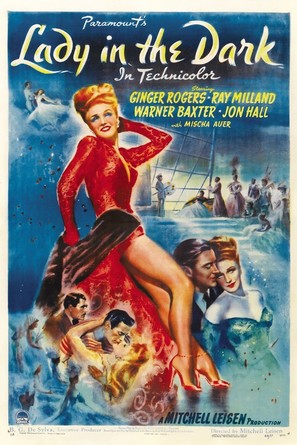
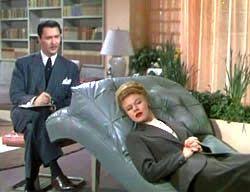
With Ira Gershwin, Kurt Weill composed the song for Moss Hart’s stage musical Lady in the Dark (1941). Liza Elliott, ambitious and successful editor of fashion magazine Allure, is in crisis. Her doctor recommends psychoanalysis. In the 1944 film dramatization – one of the highest grossing movies of the year – Liza (Ginger Rogers) finds herself humming a phrase from ‘My Ship’ repeatedly: an elusive echo of a repressed trauma. Psychoanalysis allows her to recall that as a young child she tried to perform the song at a family party. Her self-absorbed mother, preoccupied by male attention, is indifferent; the guests are thoughtlessly unkind, saying she is plain. As a child, Liza begins to hate her appearance. When her mother dies soon after, she is unable to grieve. She tries on her mother’s special blue dress, and her father chastises her angrily: a terrible rejection.

As Bruce McClung writes, ‘I saw a ship a-sailing’ is “the song’s predecessor”; further, “the gradual decoding of what ‘My Ship’ signifies sustains the drama, a process like the ‘Rosebud’ cipher in Citizen Kane. In relation to the song’s image of a ship bearing bounties, Lady in the Dark is also, mindblowingly, ghosted by Shakespeare’s The Merchant of Venice (1596) – a play that dramatizes, amongst other things, “the new set of economic interactions that accompanied the birth of capitalism”. McClung notes that Moss Hart’s own experience of psychoanalysis was formative of the story, but that Freud’s ‘The Theme of the Three Caskets’ (1913) is what gives Lady in the Dark its structure. In the essay, Freud theorises the lottery for Portia’s hand in The Merchant of Venice: a choice between gold, silver and lead caskets, one of which contains her portrait. Like Bassanio, Hart has Liza select between three ‘caskets’ – publisher Kendall Nesbitt (Warner Baxter), actor Randy Curtis (Jon Hall), and her magazine’s advertising executive Charley Johnson (Ray Milland), who represent simplistically “the roles of father, lover, and husband”.

This film is a gorgeous waking nightmare, and watching it I was furious from beginning to end.
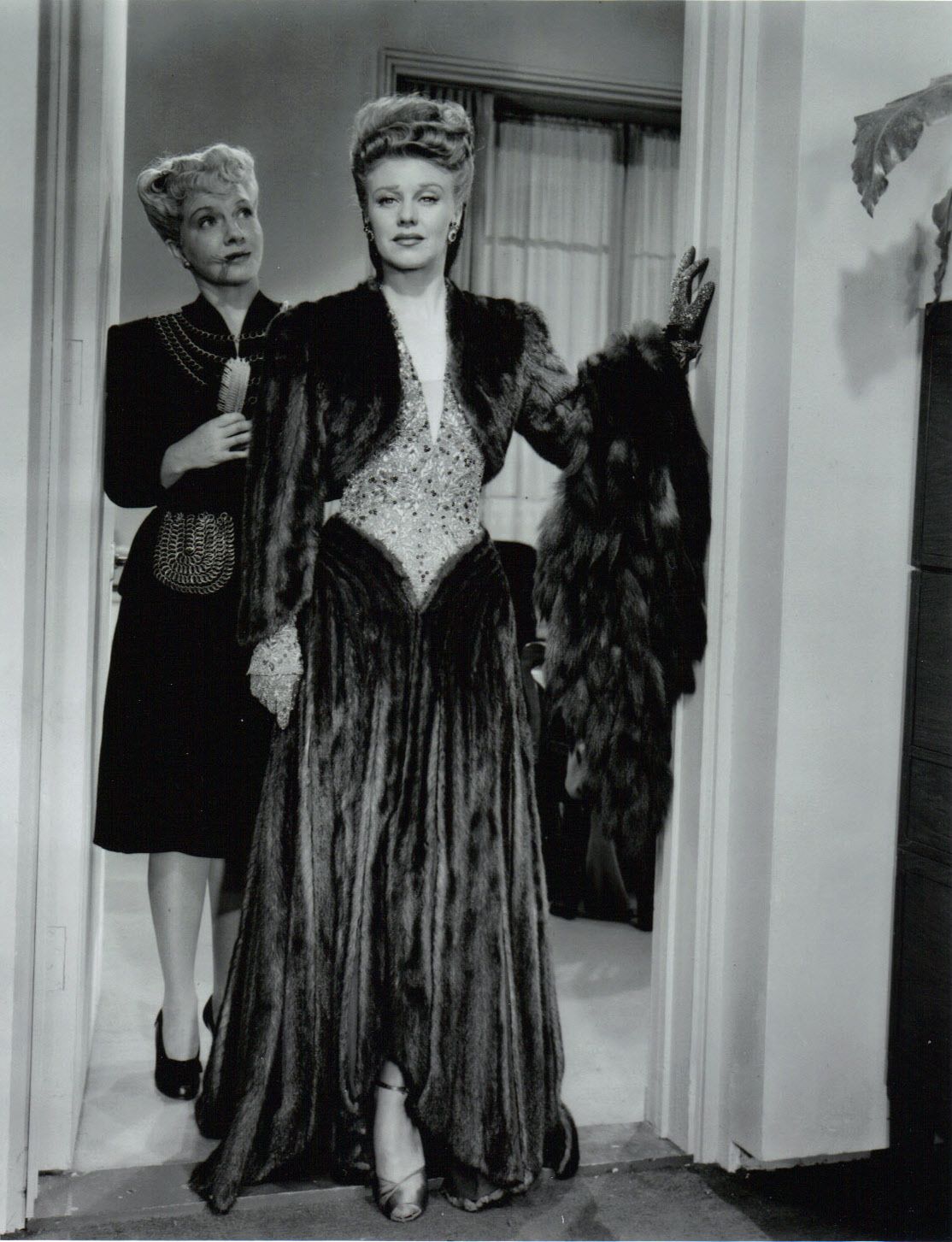
Amid the opulence of Allure‘s offices – the film’s lavish design and dream sequences subvert its maniacal heteronormativity – Charley attacks Liza continually, questioning her gender, sex life, and style, and brazenly declaring his desire for her job. When unusually she wears an evening gown on a date with Randy – a garment of sequin and mink that cost Paramount an eyewatering $35,000 dollars to produce – he jibes “you look wonderful – you actually look like a woman!” Her psychoanalyst Dr Brooks (Barry Sullivan) meanwhile proposes that, stemming from her childhood experiences, her distress lies with her reluctance to embrace femininity and “compete with other women”. Ignoring the injustices it so clearly lays out, the film egregiously weaponises psychoanalysis to confirm the “sex/gender system” and everything it supports. It ends with Liza agreeing to co-run the magazine with Charley, her literal tumble to the ground as he grabs her editorial chair for himself, and a kiss of unlikely passion between the two. This great review including on point picture captions (“Ray Milland is a shithead with a whip and Ginger Rogers is the lady in a cage in the circus dream”) fully has the measure of the film, as do these others on Letterboxd.

Paul Thomas Anderson’s extraordinary Phantom Thread (2017) includes ‘My Ship’. And Lady in the Dark seems to me to haunt the film in other ways, not least Freud’s essay.

At its conclusion Freud correlates the caskets to the mythological Fates (Moirai), the “three weaving goddesses who assign individual destinies to mortals at birth”, and thus to

the three inevitable relations that a man has with a woman – the woman who bears him, the woman who is his mate and the woman who destroys him; or that they are the three forms taken by the figure of the mother in the course of a man’s life – the mother herself, the beloved one who is chosen after her pattern, and lastly the Mother Earth who receives him once more. But it is in vain that an old man yearns for the love of a woman as he had it first from his mother; the third of the Fates alone, the silent Goddess of Death, will take him into her arms.

The relationship that Paul Thomas Anderson concocts between celebrated and exacting dressmaker Reynolds Woodcock (Daniel Day-Lewis) and his lover and model Alma (Vicky Krieps) attempts to have this cake and eat it. So consumed is Reynolds with his mother, and control over himself and his surroundings, that he cannot tolerate interruption or vulnerability, keeping his shrewd sister Cyril (Lesley Manville) close by as his safe companion. In these constrained, even hostile emotional circumstances, Alma (‘soul’) undertakes to derail his “games” by bringing him close to death: she feeds him poisonous mushrooms, then nurses him back to health, thereby impossibly occupying all three relations. This sadomasochistic gambit allows Reynolds to let go, to fall in love, to commit to her totally, and they have their own child. And so another cycle begins.
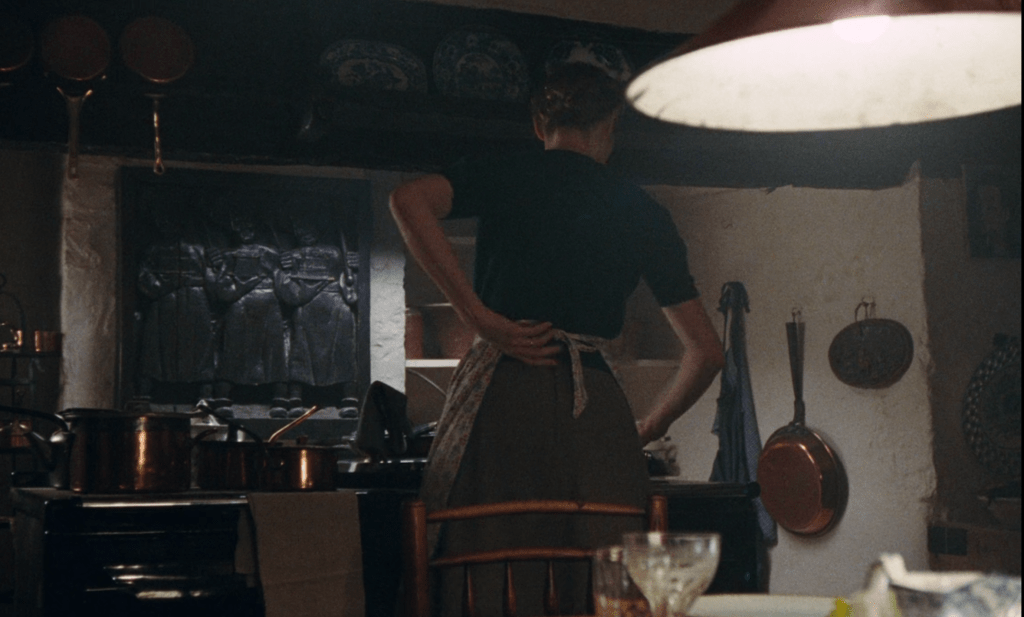
Oscar Peterson’s performance of ‘My Ship’ plays in the tearoom in which Woodcock first encounters Alma as a waitress, where he orders a ridiculous breakfast. Learning of Paul Thomas Anderson’s passion for big band jazz, I’m convinced that the narrative structure of Reynolds and Alma’s relationship is based on Nelson Riddle’s wonderful orchestral arrangement: brass and woodwind signal ‘watch out!’ before the song moves to surging strings, the solitary multiplicity of Peterson’s piano, and so on, periodically undercut by ambiguous, if not outrightly sinister harmonic choices. Key changes mark new phases, ascension to new heights. It’s almost unbearably poignant but also weirdly unserious somehow. It finishes with a steadying rallentando and fluttering flutes: a happy ending.

Aleksandar Hemon in the New Yorker concludes that Phantom Thread is “nothing if not propaganda for patriarchy”, and for sure I agree that it is in one sense a deep stitch-up, leaving little room for its women’s own desires beyond surviving these conditions, and doling out punishment for their perceived infractions. But like the stunning arrangement of ‘My Ship’ that it features, it is laced with compassionate unease, skewering power and fantasy with a delicate comic touch.
19: Moonlight in Vermont (1944)

This song is unexpected.

Karl Suessdorf and John Blackburn’s 1944 classic ‘Moonlight in Vermont’ features on Stardust (1978), Willie Nelson’s first album of jazz standards. His spacious interpretation became the surprise favourite of its lyricist. Blackburn’s nephew Bill Rudman reflects on his uncle’s reaction for jazz podcast I’ve Heard That Song Before:

He just couldn’t hear in his head how ‘Moonlight in Vermont’ could sort of cross over and be done by ostensibly a country singer. So he just didn’t believe that it was going to be any good at all, and when the LP came out he was just blown away by it.

Willie Nelson’s arrangement is tender and expansive: a solitary moonlit wish in the autumn is realised as a shared enchantment in the summer. Hope and desire are there, but they are unhurried. Things grow at their own pace.

For musicologist K. J. McElrath, Suessdorf’s beautiful composition’s “harmonic progression – quite advanced for its time and heralding the advent of ‘cool’ – makes sophisticated use of simple elements”. The same sophisticated simplicity applies to Blackburn’s lyrics.

Pennies in a stream

Falling leaves, a sycamore

Moonlight in Vermont

Icy finger waves

Ski trails on a mountain side

Snowlight in Vermont

Telegraph cables, they sing down the highway

And travel each bend in the road

People who meet in this romantic setting

Are so hypnotized by the lovely

Evening summer breeze

Warbling of a meadowlark

Moonlight in Vermont

You and I and moonlight in Vermont

The song conspicuously lacks a rhyme scheme. Less obvious is the haiku structure of its A sections. Each phrase obliquely describes an event, trusting its audience to make their own sense of what’s happening without the need for exposition. “Pennies in a stream”: have these coins been thrown there recently, or are they the rusted evidence of past wishful visits, or do they perhaps signify the people (who are not necessarily lovers) at the heart of the song’s story, or represent an idea of the flux of human existence? These four words in combination harbour all these possibilities and more. And the sensate evocations of “icy finger waves”, electric telegraph cables that “sing”, luminescence of “snowlight” – together, these images refuse pastoral nostalgia, instead tracing out modern holidaymaking amid the larger magic of seasonal change. The transition from the B section to the final A uncannily skips over spring, spiriting us directly from winter to summer – a time when, having nested, meadowlarks begin to sing again. It is brilliant.

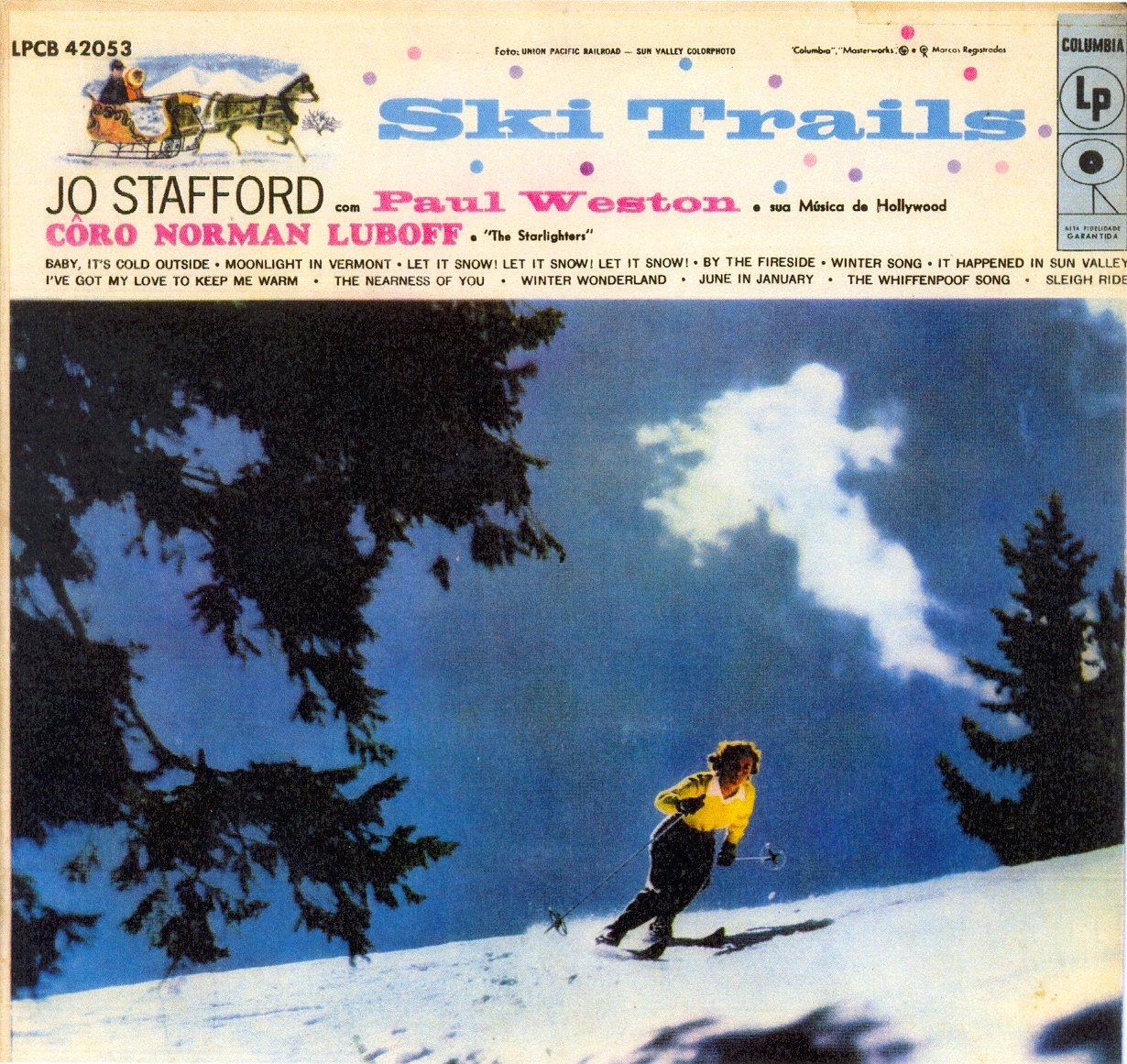
It seems bizarre that people would want to mess with this poetry, but mess with it they have. The most radical example is Jo Stafford’s recording for an album entitled Ski Trails (1956), whose comprehensive rewrite makes winter of the whole thing. In Andy Williams’ live concert performance, the lines “snowflakes in the wind, blanketing the countryside” likewise obliterate the balmy summer of the original.

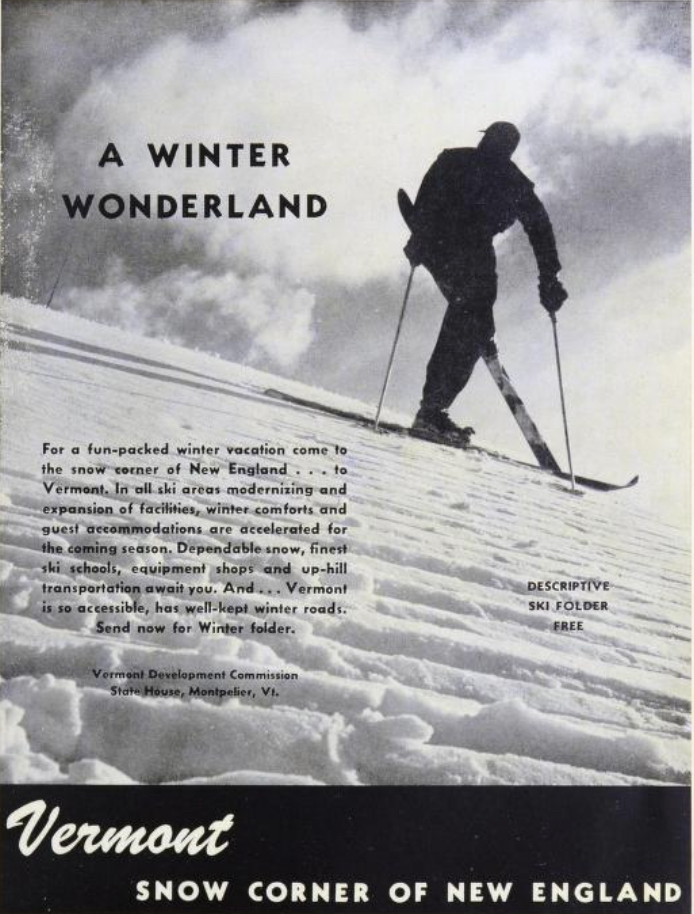
These specific lyrical choices, and the song’s rocketing popularity in the 1950s, could arguably be to do with skiing. As historian Andrew Denning has it, skiing was “the quintessence of that defining strain of postwar consumer culture: democratized luxury”. This was certainly the case in Vermont, where magazine Vermont Life aggressively promoted “the slopes of Vermont as a nearly year-round vacation destination” throughout the 1950s. To be ultra-specific, it presented Vermont as “a series of vacation areas catering to the modern family man from out of town looking for an all-encompassing winter escape”. What better snowy venue for a departure from routine, for the experience of the once-in-a-lifetime, unrepeatable romance fantasised by these recordings.

The many vocal interpretations of the song run the full stylistic gamut. Particularly enjoyable is its first outing, Billy Butterfield’s big band arrangement with Margaret Whiting – also Betty Carter’s early performance with the Ray Bryant Trio, the excessive vocal harmonies of the Lewis Sisters, Billy Stewart’s soulful re-imagining, Ella Fitzgerald’s intimate dialogue with Joe Pass. But I will say that it is possible to have too much of a good thing. Listening to tens of performances of once-in-a-lifetime, unrepeatable romance fantasies on the bounce is akin to eating a lot of cake: beyond a certain point the experience is empty and just a bit much.

Among the handful of films that include the song is the recent Hallmark TV movie Moonlight in Vermont (2017): “After Fiona [Lacey Chabert] gets dumped, she escapes to her family’s Vermont Inn for a few days to evaluate her life. When her ex Nate [Jesse Moss] shows up with a new girlfriend, Fiona devises a plan to win him back: pretend head chef Derek [Carlo Marks] is her new boyfriend.”

A Kindle search for the movie’s novelisation unexpectedly revealed other, self-published novels of the same name. These include a 2013 country house murder mystery on the model of Agatha Christie (page turner, holds out promise of subverting patriarchal constructs, just doesn’t) and the eleventh instalment in Olivia Gaines’ Modern Mail Order Brides series of romance novels, released in 2020 (the same, to an outlandish comedic degree).

But back to the movie. Moonlight in Vermont, a classic opposites attract scenario, is totally enjoyable, escapist, and implausible. Its characters say and do the most illogical things. Savvy and practical Manhattan real estate agent Fiona wears four inch spike heeled boots to walk in the snowy fields with Derek so she can look hot in front of her ex. Chef Derek, a man whose profession is predicated on the capacity to follow instructions, insists on savouring pancakes slowly in the context of a ‘how many pancakes can you eat in 60 seconds’ contest at the town’s annual Maple Faire. The town’s mayor presides over this contest, and later adjudicates a maple syrup tasting contest in a completely different shop, as if contests are his only job. The ex Nate, crazed with competitive jealousy, snippily declares to his new girlfriend “I’m counting on you here” to beat Fiona and Derek in the maple syrup tasting contest. Thus the movie sets up the beginnings of romance between Fiona and Derek: an enjoyable dinner at the inn, in which each listens with genuine interest to what the other is saying. In the light of the movie’s other strange situations, this conversation seems like the height of real intimacy. It was weird and I loved all of it.

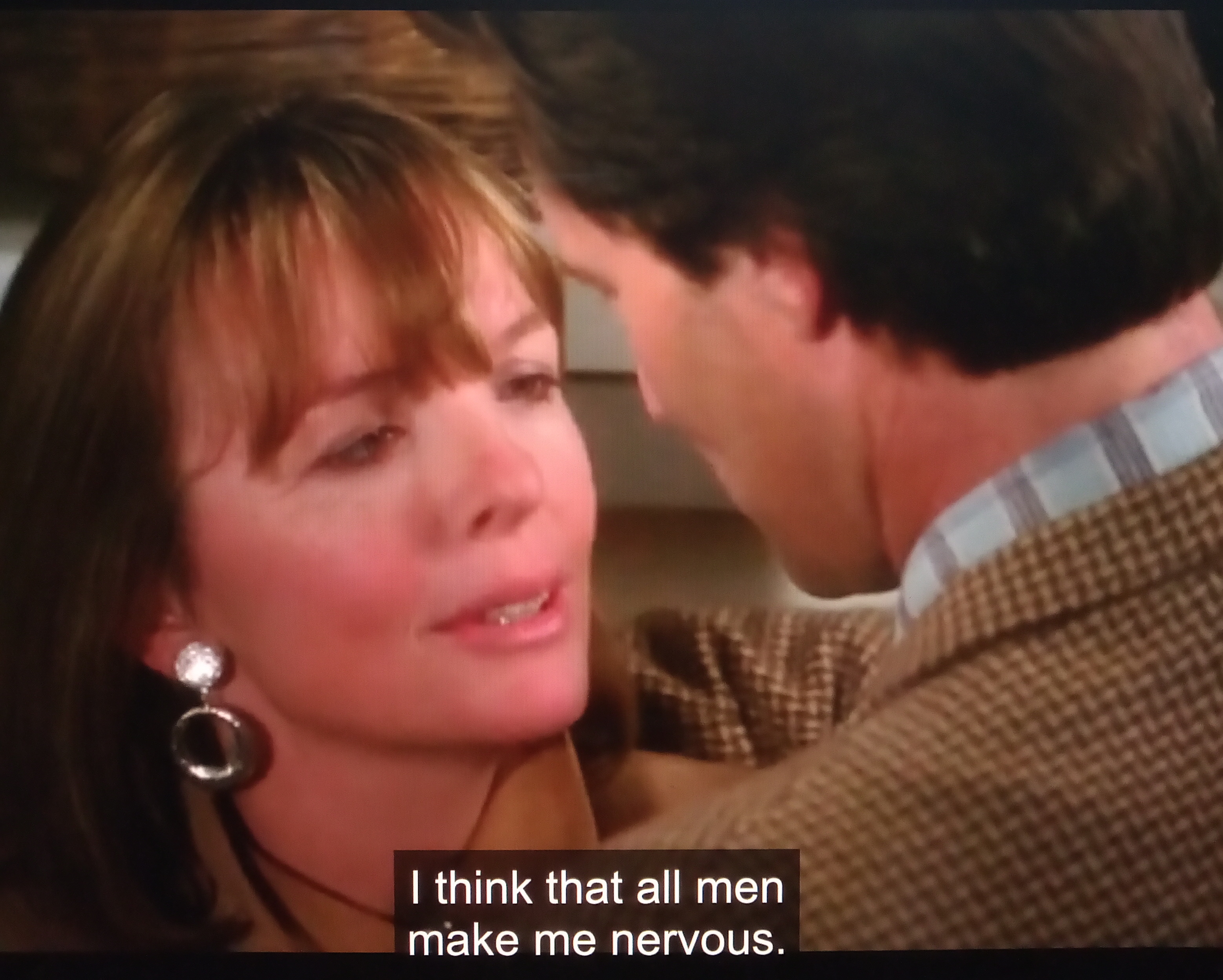
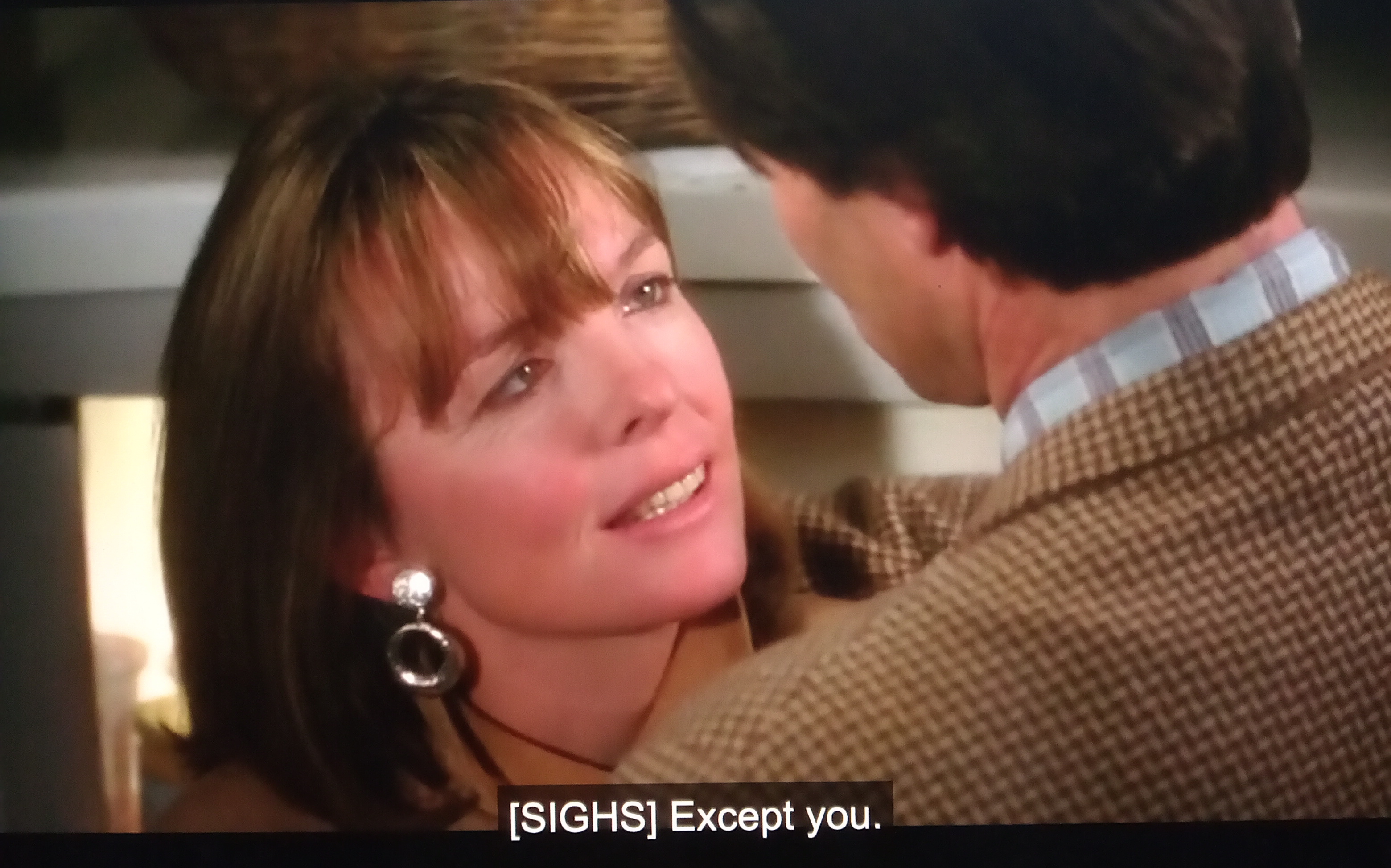
What I take from Moonlight in Vermont is this: some of the appeal of this kind of romantic plotline may be to do with the promise of respite from what Jane Ward calls the tragedy of heterosexuality. Part of that tragedy consists in attachment to “the heteroerotic fantasy of binary, biologically determined, and naturally hierarchical gender oppositeness” (cf. all of the above, plus the leads’ opening barbs: “Vermont lumberjack” / “New York princess”). In moments of beautiful utopian connection, this powerful and damaging nonsense falls away. Supplementary evidence: Baby Boom (1987), ‘Moonlight in Vermont’-having comedy of the nightmare struggle of career woman J.C. (Diane Keaton) against a patriarchal culture hostile to motherhood. Here, having found a new life in Vermont, she is getting together with vet Jeff (Sam Shepard).

Of course heteroerotic fantasies are inevitably re-established: for a female romantic protagonist, it’s true love or bust, and four days in to her visit, Fiona decides to quit New York and move to Vermont. The openness of ‘Moonlight in Vermont’ as a song makes it highly amenable to whirlwind stories of romantic destiny, but also to performances like Willie Nelson’s, a story of ease and grace that makes no demands, is in no rush at all.

18: I’m Thru With Love (1931)

This song is all about show.

Until it isn’t, that is. But I’m getting ahead of myself.

‘I’m Thru With Love’ is a work of necessary contradiction. A deep ocean of a song, twinkling with glorious sunlight, it brings grief and optimism into sweet contact. Its lyrics, by the prolific Gus Kahn, see a depressed, abandoned character talking to their ex-lover, uncompromisingly declaring time not only on all future relationships, but on love itself. But amid Matty Malneck and Fud Livingston’s bright composition, this story shifts its shape. It’s so much more than a “melancholy torch song that also has a touch of hope in it“, though it is also exactly that.

With the exception of the 1931 recordings by Lee Morse and Bing Crosby, and some later versions like Tony Bennett’s and Joe Williams’s, few vocalists address themselves to the verse:

I have given you my true love,

But you love

A new love.

What am I supposed to do now,

With you now,

You’re through now?

You’ll be on your merry way,

And there’s only this to say:

In this subtle passage, “love” is something bestowed, an action, and an object of desire, and “now” both a moment in time and a state of being. “You” becomes a psychological problem to be solved somehow. The nuance of these simple repetitions shows their author, as Gottlieb and Kimball write of Gus Kahn, to be “a superb and meticulous craftsman who made a lyric seem easy, even inevitable, rather than calling attention to its ingenuity or wit“. And although the choruses can stand alone magnificently, the verse frames “I’m through with love” as an embittered retort.

At least as it reads on paper, this retort comes from someone whose limited horizons, through this relationship, were briefly extended beyond their own front door. Now it’s over, they have “Said ‘Adieu’ to love / ‘Don’t ever call again'”. The staginess of these quotation marks, as printed in Gottlieb and Kimball’s book, suggests a certain kind of uptight formality – as does the terrible tragedy of the second chorus:

I’ve locked my heart,

I’ll keep my feelings there,

I have stocked my heart

With icy frigidaire.

And I mean to care for no-one,

Because I’m through with love.

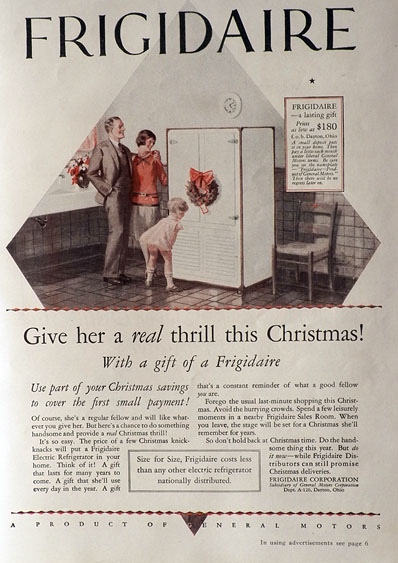
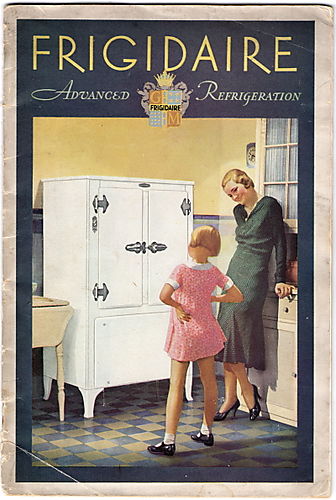
Frigidaire! Not only is the warm human body correlated with an (empty) household appliance, but the refrigerator as such is the reference of choice for this person! Fridge facts: Frigidaire launched the first electric “self-contained refrigerator” onto the market in 1923, the brand quickly becoming synonymous with the thing itself.

On the left is an ad for a 1927 model costing $180 – a value of $2,613.29 in 2020. And on the right, the front cover of a Frigidaire catalogue from 1931, the year of ‘I’m Thru With Love”s release. This image introduces a fascinating blogpost on Frigidaire by Liza Cowan, who gives this shrewd take on its idealisation of domesticity: “nothing says loving like a full fridge“.

All this is to say that the song’s images propose the protagonist as someone who naively thought that they were bopping their way to marriage, or a lonely wife whose affair with someone popular and sociable (“You didn’t need me for you had your share / Of slaves around you to hound you and swear, / With deep emotion, devotion to you”) lifted her beyond marital disappointments.

It’s all very melodramatic, and the song knows it. The major melody in the A sections soothes the narrative’s histrionics, while gut-wrenching chord choices and a sorrowful blue note gently affirm suffering. The B section makes a dramatic leap up to a minor key to emphasise its opening rhetorical question (“Why did you lead me to think you could care”), but doesn’t linger there long. Music puts the words at a distance from themselves, opening out all kinds of alternatives to unadulterated misery.

There are some devastating interpretations – see Etta Jones, Diana Krall, Mark Murphy, Arthur Prysock – but even these performances can’t help but slide into a kind of reflexive self-staging. Some versions are absolutely gigantic (Sallie Blair, Joan Merrill). Others exude an affecting warmth, even contentment (Carmen McRae, Ella Fitzgerald). Still others are in ‘wash that man right out of my hair’ high spirits (Sarah Vaughan, Jane Monheit). It’s a range of moods well sketched out in Swedish pianist Matti Ollikainenin’s ironic solo performance. Listening through multiple recordings on the trot makes for an experience not of utter desolation, as might be expected, but fun born of sadness that doesn’t take itself too seriously.

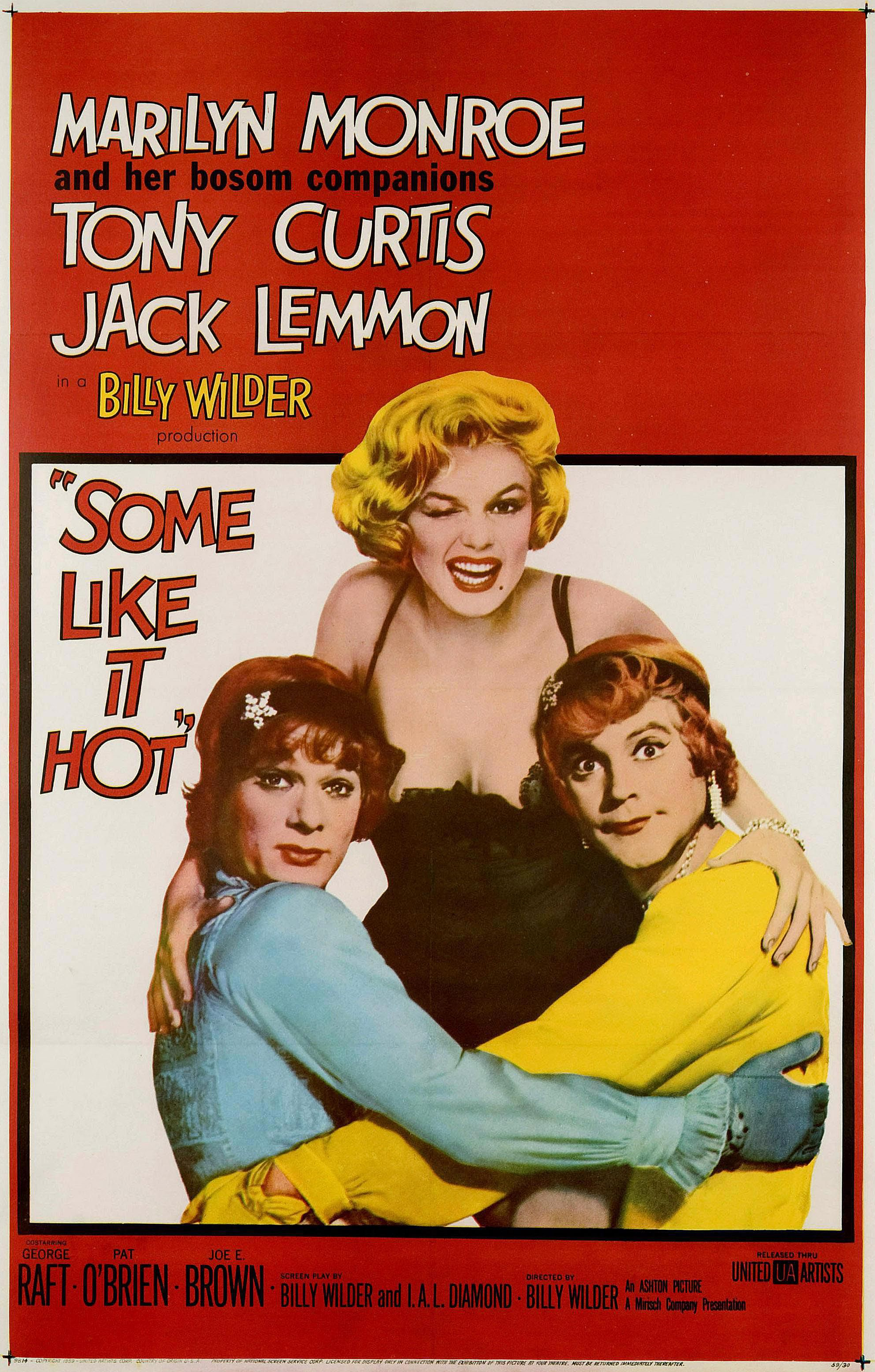
It seems apt then that the song’s most famous outing on screen should be in Billy Wilder’s Some Like It Hot (1959), a film comedy hingeing on disguise and an homage to multiple cinematic genres. As New York Times critic Manohla Dargis puts it, the film “feels like it was directed inside gigantic quotation marks“.

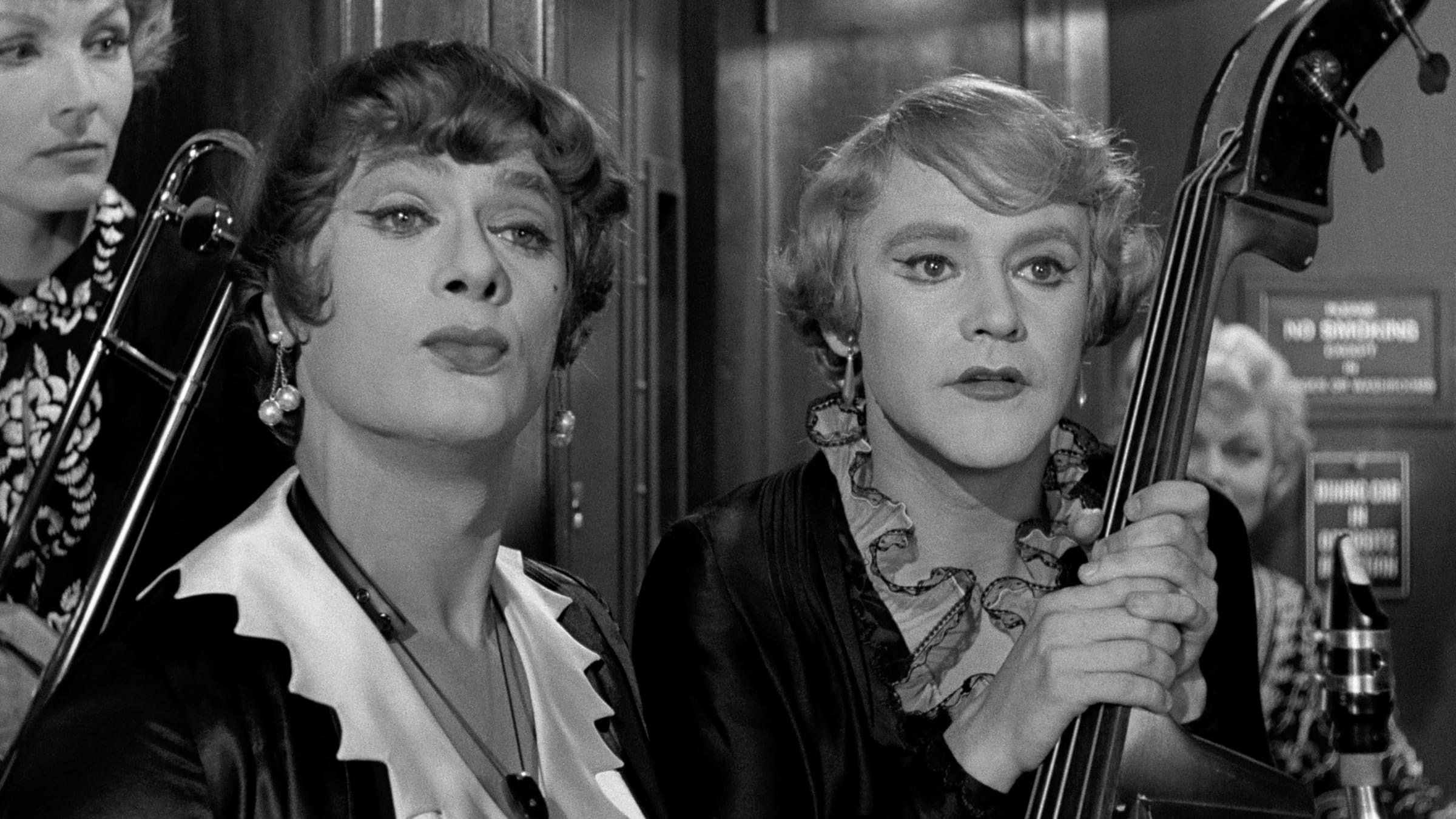
On-the-run jazz musicians Joe (Tony Curtis) and Jerry (Jack Lemmon) pass themselves off as ‘Josephine’ and ‘Daphne’ to join an all-female touring band. (Sidenote: the film’s musical supervisor was Matty Malneck, and its unreal lineup of musicians included Barney Kessel, Art Pepper and John Williams (yes).) To entice its chanteuse Sugar Kane (Marilyn Monroe), who intends to overcome her “thing for saxophonists” by snagging a Miami millionaire, saxophonist Joe masquerades as magnate Shell Oil Junior, and contrives to have her seduce him aboard a yacht appropriated from actual millionaire Osgood Fielding III (Joe E. Brown), himself in hot pursuit of Daphne.

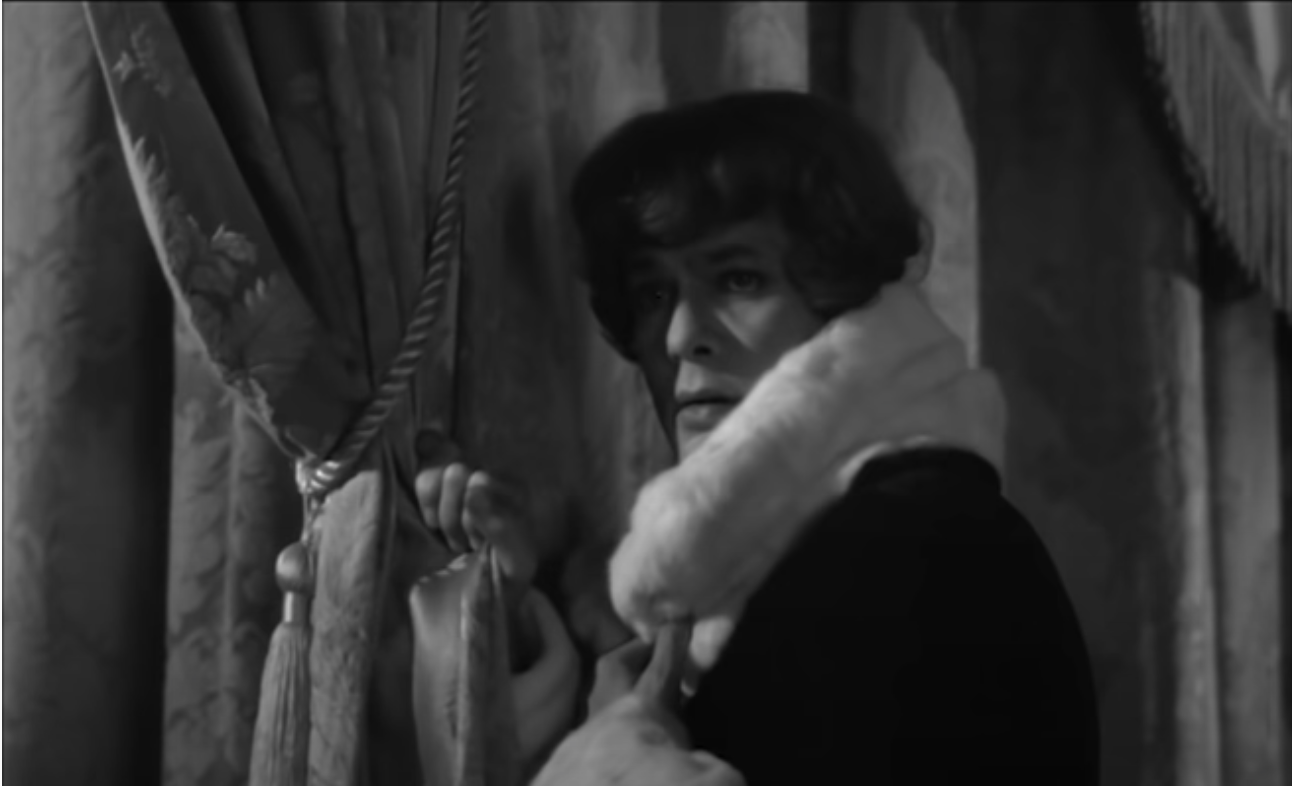
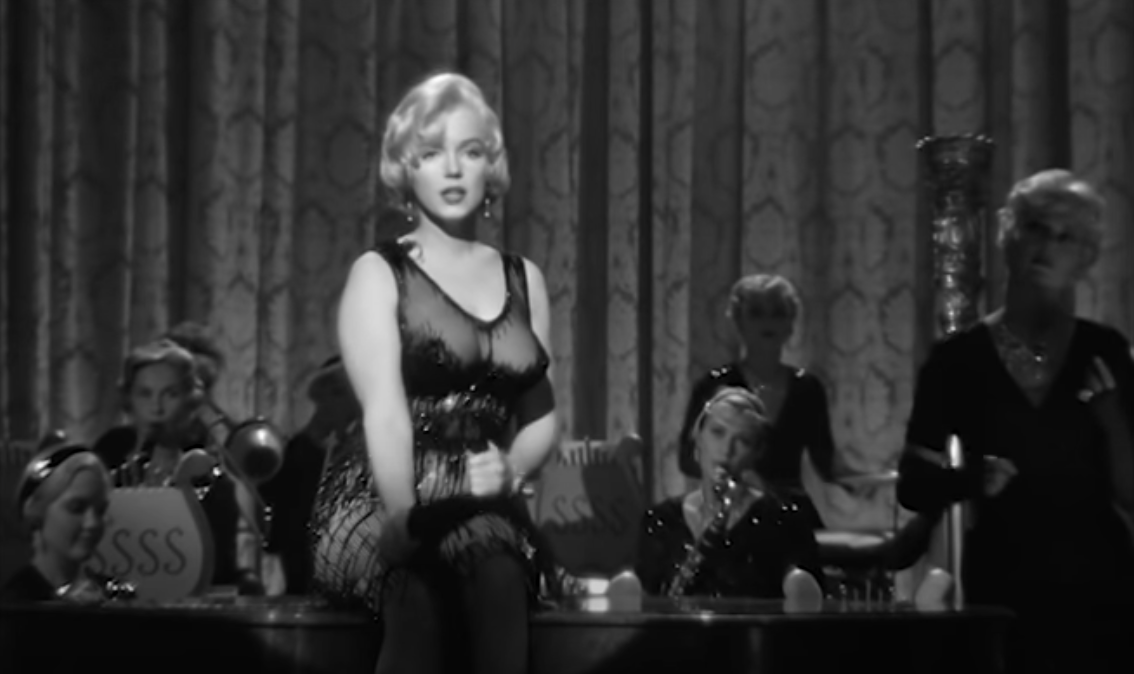
In the wake of Junior’s sudden departure, heartbroken Sugar sings ‘I’m Thru With Love’, her unhappiness unnoticed by everyone but Josephine, hidden behind a drape, realisation gradually dawning.

Marilyn Monroe’s tremulous performance musters stock gestures of feminine anguish, melting them into other, more authentic-seeming moments of emotion. The depth of her sadness and the euphoria and poignancy of the kiss she and Jo(e)sephine then share are totally conditional upon the layers of comedic artifice the film painstakingly constructs.

“None of that, Sugar. No guy is worth it!” ‘I’m Thru With Nonsense That Is An Obstacle To My Own Flourishing’,* we might then say, as love is discovered to be its own reward.

*Adaptation after Lauren Berlant.