19: Moonlight in Vermont (1944)

This song is unexpected.

Karl Suessdorf and John Blackburn’s 1944 classic ‘Moonlight in Vermont’ features on Stardust (1978), Willie Nelson’s first album of jazz standards. His spacious interpretation became the surprise favourite of its lyricist. Blackburn’s nephew Bill Rudman reflects on his uncle’s reaction for jazz podcast I’ve Heard That Song Before:

He just couldn’t hear in his head how ‘Moonlight in Vermont’ could sort of cross over and be done by ostensibly a country singer. So he just didn’t believe that it was going to be any good at all, and when the LP came out he was just blown away by it.

Willie Nelson’s arrangement is tender and expansive: a solitary moonlit wish in the autumn is realised as a shared enchantment in the summer. Hope and desire are there, but they are unhurried. Things grow at their own pace.

For musicologist K. J. McElrath, Suessdorf’s beautiful composition’s “harmonic progression – quite advanced for its time and heralding the advent of ‘cool’ – makes sophisticated use of simple elements”. The same sophisticated simplicity applies to Blackburn’s lyrics.

Pennies in a stream

Falling leaves, a sycamore

Moonlight in Vermont

Icy finger waves

Ski trails on a mountain side

Snowlight in Vermont

Telegraph cables, they sing down the highway

And travel each bend in the road

People who meet in this romantic setting

Are so hypnotized by the lovely

Evening summer breeze

Warbling of a meadowlark

Moonlight in Vermont

You and I and moonlight in Vermont

The song conspicuously lacks a rhyme scheme. Less obvious is the haiku structure of its A sections. Each phrase obliquely describes an event, trusting its audience to make their own sense of what’s happening without the need for exposition. “Pennies in a stream”: have these coins been thrown there recently, or are they the rusted evidence of past wishful visits, or do they perhaps signify the people (who are not necessarily lovers) at the heart of the song’s story, or represent an idea of the flux of human existence? These four words in combination harbour all these possibilities and more. And the sensate evocations of “icy finger waves”, electric telegraph cables that “sing”, luminescence of “snowlight” – together, these images refuse pastoral nostalgia, instead tracing out modern holidaymaking amid the larger magic of seasonal change. The transition from the B section to the final A uncannily skips over spring, spiriting us directly from winter to summer – a time when, having nested, meadowlarks begin to sing again. It is brilliant.

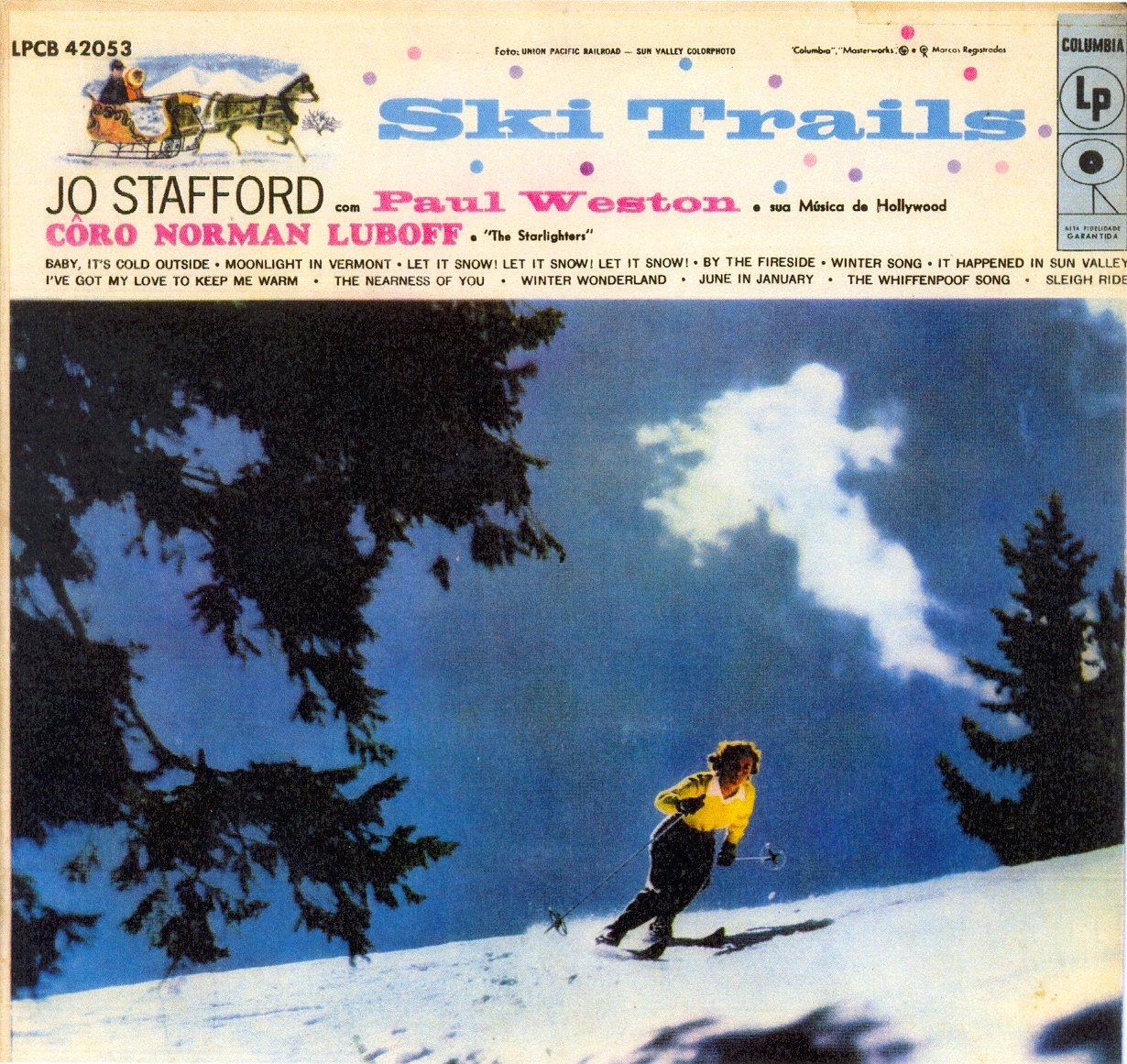
It seems bizarre that people would want to mess with this poetry, but mess with it they have. The most radical example is Jo Stafford’s recording for an album entitled Ski Trails (1956), whose comprehensive rewrite makes winter of the whole thing. In Andy Williams’ live concert performance, the lines “snowflakes in the wind, blanketing the countryside” likewise obliterate the balmy summer of the original.

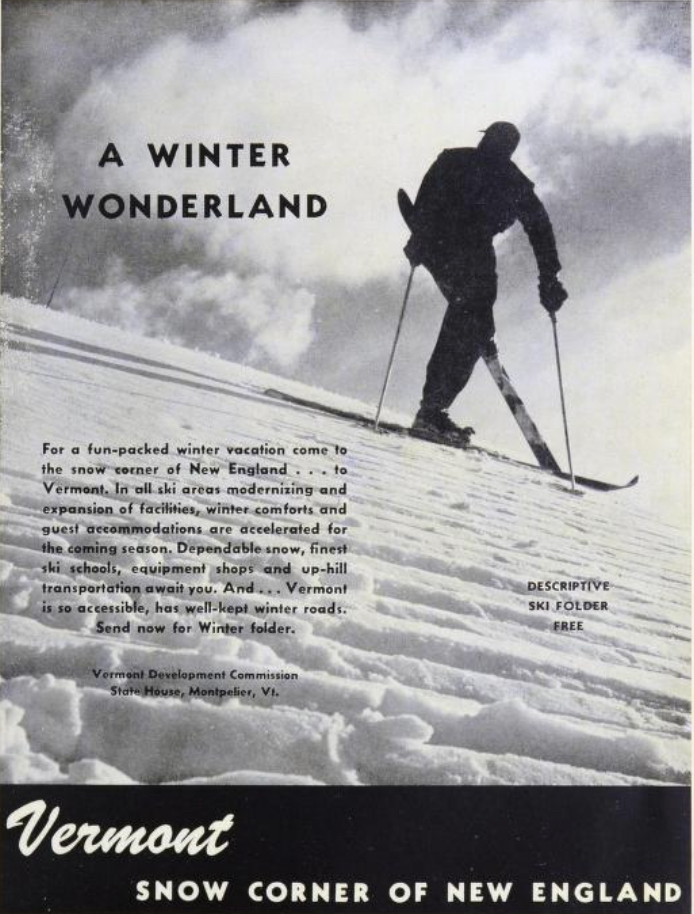
These specific lyrical choices, and the song’s rocketing popularity in the 1950s, could arguably be to do with skiing. As historian Andrew Denning has it, skiing was “the quintessence of that defining strain of postwar consumer culture: democratized luxury”. This was certainly the case in Vermont, where magazine Vermont Life aggressively promoted “the slopes of Vermont as a nearly year-round vacation destination” throughout the 1950s. To be ultra-specific, it presented Vermont as “a series of vacation areas catering to the modern family man from out of town looking for an all-encompassing winter escape”. What better snowy venue for a departure from routine, for the experience of the once-in-a-lifetime, unrepeatable romance fantasised by these recordings.
The many vocal interpretations of the song run the full stylistic gamut. Particularly enjoyable is its first outing, Billy Butterfield’s big band arrangement with Margaret Whiting – also Betty Carter’s early performance with the Ray Bryant Trio, the excessive vocal harmonies of the Lewis Sisters, Billy Stewart’s soulful re-imagining, Ella Fitzgerald’s intimate dialogue with Joe Pass. But I will say that it is possible to have too much of a good thing. Listening to tens of performances of once-in-a-lifetime, unrepeatable romance fantasies on the bounce is akin to eating a lot of cake: beyond a certain point the experience is empty and just a bit much.

Among the handful of films that include the song is the recent Hallmark TV movie Moonlight in Vermont (2017): “After Fiona [Lacey Chabert] gets dumped, she escapes to her family’s Vermont Inn for a few days to evaluate her life. When her ex Nate [Jesse Moss] shows up with a new girlfriend, Fiona devises a plan to win him back: pretend head chef Derek [Carlo Marks] is her new boyfriend.”

A Kindle search for the movie’s novelisation unexpectedly revealed other, self-published novels of the same name. These include a 2013 country house murder mystery on the model of Agatha Christie (page turner, holds out promise of subverting patriarchal constructs, just doesn’t) and the eleventh instalment in Olivia Gaines’ Modern Mail Order Brides series of romance novels, released in 2020 (the same, to an outlandish comedic degree).

But back to the movie. Moonlight in Vermont, a classic opposites attract scenario, is totally enjoyable, escapist, and implausible. Its characters say and do the most illogical things. Savvy and practical Manhattan real estate agent Fiona wears four inch spike heeled boots to walk in the snowy fields with Derek so she can look hot in front of her ex. Chef Derek, a man whose profession is predicated on the capacity to follow instructions, insists on savouring pancakes slowly in the context of a ‘how many pancakes can you eat in 60 seconds’ contest at the town’s annual Maple Faire. The town’s mayor presides over this contest, and later adjudicates a maple syrup tasting contest in a completely different shop, as if contests are his only job. The ex Nate, crazed with competitive jealousy, snippily declares to his new girlfriend “I’m counting on you here” to beat Fiona and Derek in the maple syrup tasting contest. Thus the movie sets up the beginnings of romance between Fiona and Derek: an enjoyable dinner at the inn, in which each listens with genuine interest to what the other is saying. In the light of the movie’s other strange situations, this conversation seems like the height of real intimacy. It was weird and I loved all of it.

What I take from Moonlight in Vermont is this: some of the appeal of this kind of romantic plotline may be to do with the promise of respite from what Jane Ward calls the tragedy of heterosexuality. Part of that tragedy consists in attachment to “the heteroerotic fantasy of binary, biologically determined, and naturally hierarchical gender oppositeness” (cf. all of the above, plus the leads’ opening barbs: “Vermont lumberjack” / “New York princess”). In moments of beautiful utopian connection, this powerful and damaging nonsense falls away. Supplementary evidence: Baby Boom (1987), ‘Moonlight in Vermont’-having comedy of the nightmare struggle of career woman J.C. (Diane Keaton) against a patriarchal culture hostile to motherhood. Here, having found a new life in Vermont, she is getting together with vet Jeff (Sam Shepard).
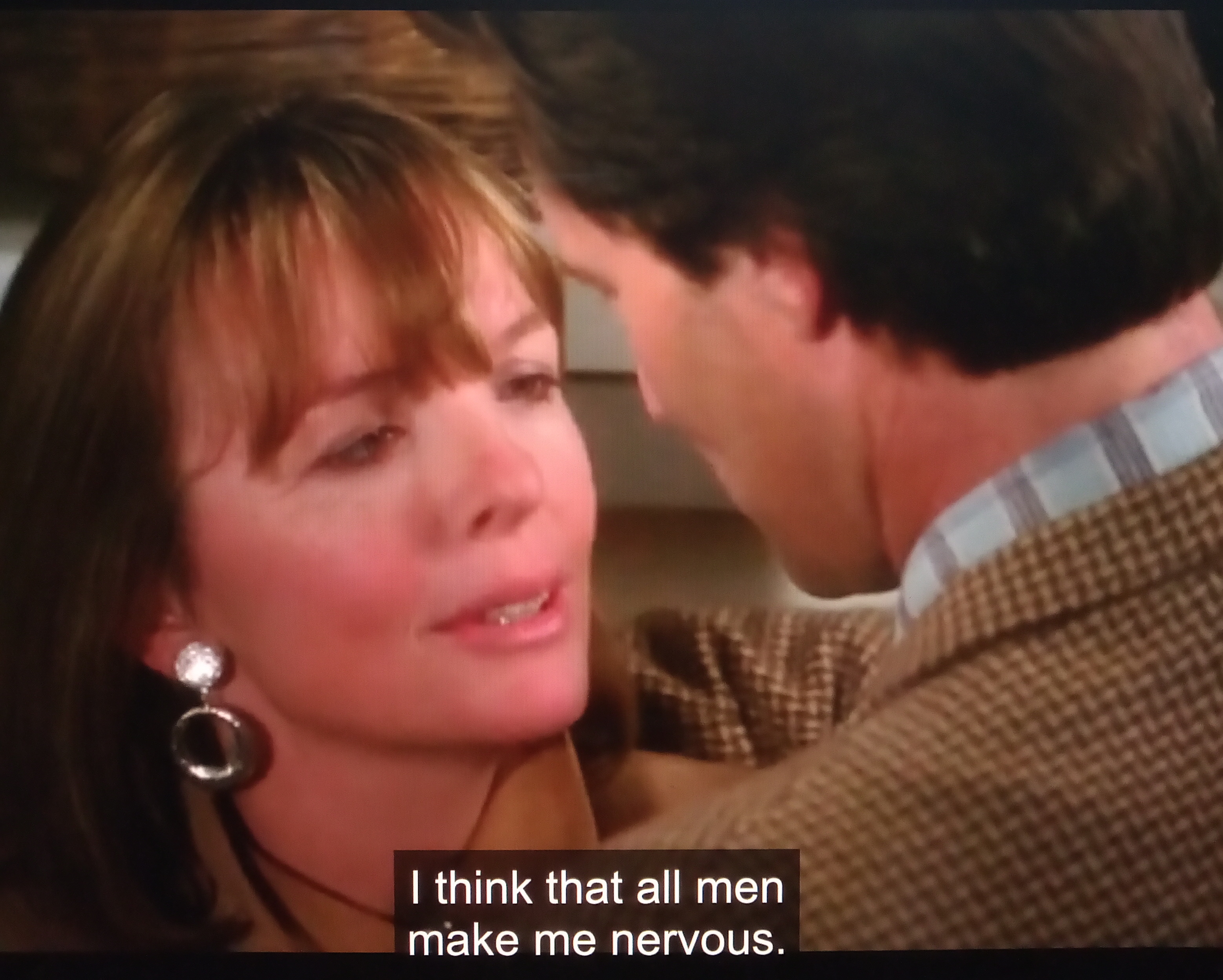
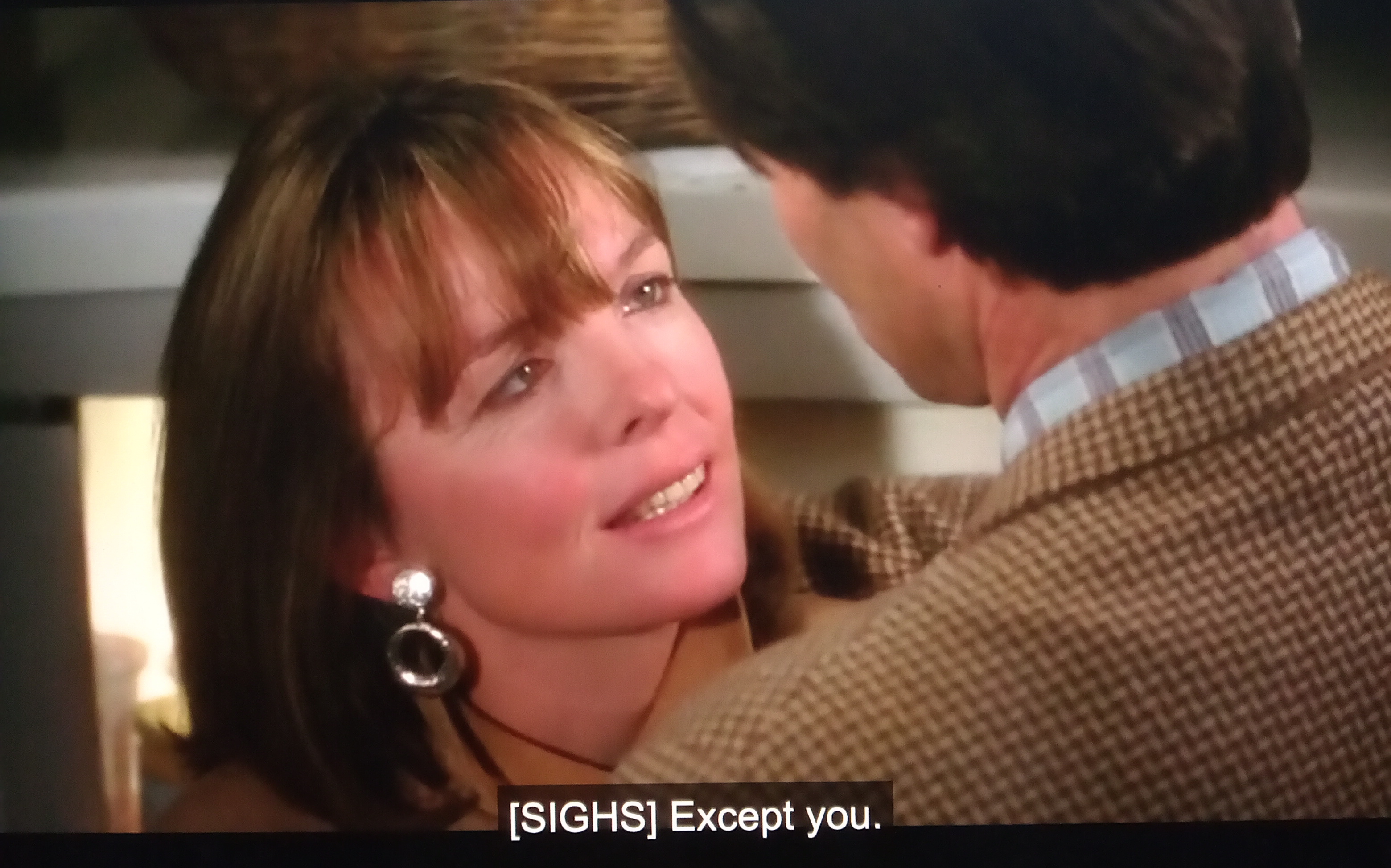
Of course heteroerotic fantasies are inevitably re-established: for a female romantic protagonist, it’s true love or bust, and four days in to her visit, Fiona decides to quit New York and move to Vermont. The openness of ‘Moonlight in Vermont’ as a song makes it highly amenable to whirlwind stories of romantic destiny, but also to performances like Willie Nelson’s, a story of ease and grace that makes no demands, is in no rush at all.

17: Almost Like Being In Love (1947)

This song is about time.

Right at the beginning of the lockdown, having missed the start of the National Theatre’s livestream launch of One Man, Two Guvnors, a friend and I decided to watch Groundhog Day (1993) in tandem in our respective flats instead. Nat King Cole’s sparkling version of Alan Jay Lerner and Frederick Loewe’s ‘Almost Like Being In Love’ brings the film to a close.

Lerner and Loewe wrote their by now much-recorded classic for the musical Brigadoon (1947), which received its pre-Broadway premiere on Groundhog Day that year. Over and above its lyrical aptness, was this choice a deliberate reference on the part of Groundhog Day‘s director Harold Ramis to the musical’s stage history? Encouraged by music editor Sally Boldt, Ramis resisted studio bosses’ demands for something poppier and more contemporary for the final moments of his film. Three months later, similarly distantly ensconced, we watched Vincente Minnelli’s film dramatisation of Brigadoon (1954). The song and this moment of calendrical serendipity only hint at the extent of what they share.

The golden thread that ties them together is their use of the single day as a narrative device. In Brigadoon, while lost with companion Jeff (Van Johnson) on a hunting trip in Scotland, jaded Tommy Albright (Gene Kelly) encounters the love of his life. Fiona Campbell (Cyd Charisse) is the denizen of an enchanted eighteenth century village that can reveal itself from the mist only once every one hundred years. Meanwhile, until he finds meaningful self-love, Groundhog Day‘s sardonic weatherman Phil Connors (Bill Murray) is condemned to repeatedly relive February 2 in the small town of Punxsutawney, whose annual groundhog ritual predicts the timeliness of spring.

‘Almost Like Being In Love’, Brigadoon‘s “only un-Scottish number”, places both punctuality and uncertainty at the heart of the experience of love. The full lyrics present a verse about the invigorating qualities of the Scottish Highlands and include the voice of the character Fiona, but the choruses, the basis of the majority of recordings, focus blissfully and more generally on the relationship between love and time’s markings.

What a day this has been! What a rare mood I’m in!
Why, it’s almost like being in love!
There’s a smile on my face for the whole human race!
Why, it’s almost like being in love!
All the music of life seems to be like a bell that is ringing for me!
And from the way that I feel when that bell starts to peal,
I could swear I was falling, I would swear I was falling,
It’s almost like being in love.

The present is of necessity constantly on the move. Likewise, the euphoria of love, which makes the person experiencing it a witness to their own self. These amazing lyrics achieve the perfect paradox of capturing the uncapturable – which may be why the final additional line of Frank Sinatra’s 1947 recording for Columbia (“In fact I have fallen in love”) feels so crashingly disappointing. (His infinitely livelier 1961 recording for Capitol, arranged by Billy May, doesn’t do this.)*

But what about the choice to characterise the music of life, which I understand to mean the divine energies that manifest as joy, as the sound of a bell ringing? With this phrase, modern timekeeping and the inevitability of wedlock threaten the song’s magical inbetweenness – reminiscent of the later lyric “get me to the church on time”, immortalised in My Fair Lady’s ‘I’m Getting Married in the Morning’ (1956), another famous Lerner and Loewe composition featuring bells.

Whatever. It’s hard to unthink these things, but to be honest I would rather focus on the song’s evocation of love as generous call and response, and music as sonorous vibration.

Still, both of these films are absolutely concerned with modernity – from the cultural and historical contrasts in Brigadoon between the villagers and their visitors Tommy and Jeff, and the screeching return of the two to a frenetic New York where Tommy’s fiancee (doppelganger of Fiona)** awaits, to Phil’s profession in Groundhog Day, which combines meterological prediction and small time celebrity and its discontents.

And the events that unfold in both rest on what modernity excludes. Magic isn’t supposed to happen in situations in which aeroplanes and cars are part of everyday life, and time marches forward relentlessly. Magic pauses that forward march, allowing different realities to emerge – the chance meeting of lovers from different historical times, a sequence of time that is endlessly replayed and reworked.

In this respect, these stories are both deeply theatrical too. Not unlike the weather forecast blue screen, Phil’s progress through the multiple reiterations of February 2 makes of Punxsutawney and its characters an ersatz stage setting for his cursed existential self-improvement – especially Rita (Andie MacDowell), the object of his desire, whose own kind self beneficently “makes him need himself”. Meanwhile, given the mystical threshold time of Brigadoon, Tommy struggles to take the reality of the feelings he and Fiona share seriously. As Serge Cardinal proposes in a wonderful discussion of the relation between temporality, music and image in Minnelli’s film, “music teaches him how to couple, to dance, in the deepest sense, with someone”.

When it appears at the end of Groundhog Day, ‘It’s Almost Like Being In Love’ sounds a bittersweet note. Phil knows Rita inside and out, but she, on a different temporal trajectory, hardly knows him at all. Not awesome in many respects.** But it’s also fitting that title lyric should become a hypothesis to be tested in a future that we won’t see. Set apart from the films’ narratives, the song expresses the radical uncertainty of all love as it begins. Worlds take on the character of contingency. These films literalise it. I said all this to my friend as we did post-match WhatsApp-ing about Brigadoon, and added that ‘almost like’ is just the maddest combination of words imaginable. “Which involves absolute risk”, he replied. “And all it is is… what you already hold, and is yours already.” So right. The beauty that lives in these films is how their protagonists move beyond fearful provisionality towards love for another, for themselves.


*Few recordings of ‘Almost Like Being In Love’ are as charming as Nat King Cole’s imo, but I really enjoy those by Beverley Kenny, Sallie Blair (“won’t you smoke the mood I’m in”), Chris Connor, Della Reese, Nancy Wilson, Etta Jones and Johnny Hartman. Michael Johnson’s takes the song in a unique direction.

**One million percent these are not feminist films. At all. Cf. the founding mythology of Brigadoon being flight from witches (Jeff: “Oh we have ’em. We pronounce it differently”), framing of almost every female bit part in Groundhog Day, etc etc.

14: Baby, It’s Cold Outside (1949)

This song mixes things up.

Frank Loesser wrote the duet ‘Baby, It’s Cold Outside’ in 1944 as a novelty party piece that he and his wife Lynn performed for friends at their housewarming. The song’s incongruous appearance in the romantic comedy Neptune’s Daughter (1949) garnered it an Academy Award and a clutch of other recordings in the same year by popular music and jazz greatsElla Fitzgerald & Louis Jordan, Margaret Whiting & Johnny Mercer, and Dinah Shore & Buddy Clark among them. Sixty years on, the song’s account of seduction fuels hot takes on sexual politics like no other. ‘Baby, It’s Cold Outside’: cute celebration of wintry flirtation, or vile dramatisation of sexual coercion?

The lyrics give us a couple who, in the score, are each assigned the nicknames ‘Wolf’ and ‘Mouse’. Gesturing to the bitter weather and his cosy living room’s roaring fire, the guy keenly insists that his gal should stay. Hyper-alert to the reputational consequences of such a choice, she invokes nosy neighbours and all her family members eagerly awaiting her chaste return – the most judgemental being her “maiden aunt”, whose “mind is vicious”. The story ends merrily with the Mouse’s seeming capitulation, the two singers delivering the song’s title lyric harmoniously together.

The contemporary debate about the song’s power dynamic has become frenzied. In 2018, an array of North American radio stations went so far as to ban it, one DJ making the assessment that “in a world where #MeToo has finally given women the voice they deserve, the song has no place”. In a similar vein, John Legend not uncontroversially adapted its lyrics with Natasha Rothwell for a 2019 #MeToo-responsive recording with Kelly Clarkson – who herself had previously recorded the song with Ronnie Dunn in 2013.

This fraught scene has given rise to some really amazing writing. I concur with Chris Willman’s hilarious view, which opens his 2018 survey piece for Variety:

There is one group, and one group only, that should be crusading against the performance of ‘Baby, It’s Cold Outside’ in public: vicious maiden aunts.

For Willman, Zoey Deschanel and Will Ferrell’s shower-scene performance in Elf (2003) is the fountainhead of the song’s becoming “ubiquitous almost to the point of torture” – a suggestion in interesting historical accordance with Amelia McDonell-Parry’s 2018 article for Rolling Stone. There, she writes that current critique of the song’s sexual politics first got underway in 2004. She refers to a truly brilliant 2016 Tumblr post by a “former English teacher/nerd”, who argues that the now-incendiary lyric “Say what’s in this drink?”, penned in 1944, was “a stock joke at the time, and the punchline was invariably that there’s actually pretty much nothing in the drink, not even a significant amount of alcohol”. This writer concludes:

it’s a song about a woman finding a way to exercise sexual agency in a patriarchal society designed to stop her from doing so. But it’s also, at the same time, one of the best illustrations of rape culture that pop culture has ever produced. It’s a song about a society where women aren’t allowed to say yes…which happens to mean it’s also a society where women don’t have a clear and unambiguous way to say no.

Unlike clickbait determined that ‘Baby, It’s Cold Outside’ should be either one thing or the other, the best recordings of the song find similar both-and depth.

Admittedly, Frank Sinatra’s performance with Dorothy Kirsten fully embraces predation: it features a cartoonish spoken word section in which, in Pepe Le Pew-style, he locks her in his house and swallows the key. But Carmen McRae and Sammy Davis Jr’s increasingly funny version gives us a boss female protagonist. Louis Armstrong and Velma Middleton’s is also packed with jokes. Like its fairytale fantasy video, Tom Jones and Cerys Matthews’s is almost psychedically hyperbolic, topped off with Matthews commenting “Bloody freezin’, innit?” in a broad Welsh accent.

Plus there are plenty that flip the heteronormative script, assigning the Wolf to the female vocalist, or presenting two male or female singers – Caroline Pennell, She&Him (Zooey Deschanel and M. Ward), Kelley Jakle & Shelley Regner, Nathaniel Rateliff & Julie Davis, John Travolta & Olivia Newton-John, the version from Glee. Scott Bradlee’s Postmodern Jukebox delightfully substitutes a tap dancer for the Wolf. In this context, rewritings of the song seem quite baffling. As I receive it, John Legend’s adaptation presents a controlling guy and an anxious girlfriend – similarly, Lydia Liza and Josiah Lemanski’s. (The comments on the Legend YouTube video are golden.) It’s notable that in both of these versions the Mouse’s lyrics remain largely unaltered.

In Neptune’s Daughter, the song’s first public outing was in fact performed with and without role reversal.

A comedy of mistaken identity, the film hinges on hot ‘South American’ masculinity and sexuality being compared to ‘North American’ schlubby haplessness, and ‘right’ and ‘wrong’ kinds of feminine conduct. Swimming champion turned swimsuit designer Eve Barrett (Esther Williams) is anxious to protect her man-obsessed sister Betty (Betty Garrett) from herself – in particular her yearning for José O’Rourke (Ricardo Montalban), the captain of the South American polo team (yes, all of South America). Betty confuses masseur Jack Spratt (Red Skelton) with José, and commences an aggressive programme of seduction, much to Jack’s initial terror. Meanwhile, Eve tackles José, and he cultivates her misapprehension that Betty is dating him.

The song takes place mid-way through the film, improbably on a “warm summer’s evening”, and contrasts the two couples: Eve sidestepping José’s wolfish overtures, and Betty ardently pinning Jack to a couch. The scene quickly segues to ‘Jungle Rhumba’, an extended dance number orchestrated by Xavier Cugat, an exoticising proxy for what Betty and Jack may or may not be getting up to.

It’s a strange, not unproblematic film. But with its pantomimic cross-dressing, presentation of desire, and a decidedly homoerotic massage scene between José and Jack, Neptune’s Daughter both establishes and messes with Eve’s opening gambit: “men are men, and women are women, and, well, that’s just the way it is” – as do the richest interpretations of Loesser’s ingenious song.

9: More Than You Know (1929)

This song disturbs.

In The Fabulous Baker Boys (1989), as novice vocalist Susie Diamond, Michelle Pfeiffer delivers a captivating performance of a section from ‘More Than You Know’. Former escort Susie has rocked up extremely late for an audition to join the struggling piano duo of Jack (Jeff Bridges) and Frank (Beau Bridges). Following a moment of antagonism with controlling jobsworth Frank, she casts a magic spell over the dilipidated piano showroom with an unexpectedly mesmerising rendition. The selection of lyrics anticipates their unfolding relationships, and the boom and catastrophic bust of the brothers’ business. Frank’s wedding ring gleams in shot as he fights back unexpected emotion.

‘More Than You Know’ first appeared in the short-lived Broadway musical Great Day! addressed by its plantation-owning protagonist to her love interest. For Thomas S. Hischak, the song is ‘a languid yet stately ballad that seems to tumble forth effortlessly as it explains how one’s love is greater than the object of affection can ever realize’. Definitely, but in terms of its overall structure and effect I tend to agree with Alec Wilder and James T. Maher:

The verse is very florid and ‘inspirational’. It isn’t a verse as much as an exclamatory introduction to the chorus. The latter for those who have never heard it, comes as a complete surprise in that it is much less dramatic than the verse.

Wilder and Maher are talking about Vincent Youman’s composition, but the same dynamic applies to Billy Rose and Edward Eliscu’s lyrics.

The sharp distinction between ‘florid’ verse and ‘stately’ chorus accentuates the song’s unfolding of insecurity in love. In the verse, nonchalance (‘Whether you remain or wander / I’m growing fonder of you’) quickly escalates to grandiosity (‘Wouldn’t I be glad to take you? / Give you the break you need’) before the chorus lays out a more consistent scenario: I’ll be around, how you must need me, I know this is just sex for you, please don’t get bored. It’s an extraordinary portrait of self-deception and brutal frankness all at once.

The ups and downs of the song’s story are discomfiting to read on the page – maybe why many versions redact the verse – but so much else is possible in performance.

One of the earliest of the song’s hundreds of recordings, by The Scamps, claws back agency on the part of the protagonist with gentle harmonies and unexpected humour. In a dramatic arrangement, Della Reese openly treads a line between anger and desperate tenderness. Beverly Kenney’s restrained and wistful delivery hints at volcanic passion. Jackie Paris offers unsteady yearning. Dee Dee Bridgewater’s rich performance admits to no vulnerability whatsover.

The song’s uses on-screen are similarly divergent – to take two examples of the five films in which it has featured, Hit the Deck (1955) and The Fabulous Baker Boys (1989). As films, despite massive differences in genre and tone, there are spooky affinities between them: both are about the entertainment business, and social and sexual legitimacy.

Hit The Deck tells the convoluted story of three couples getting it together. It hinges on a dodgy hotel suite audition undertaken by ingenue Susan (Jane Powell) with the vile actor-manager of a production, also entitled ‘Hit The Deck’, which features musical theatre actress Carol (Debbie Reynolds). Accompanied by fellow naval officers Bill (Tony Martin) and Rico (Vic Damone), all of whom are on shore leave, Danny (Walter Pidgeon) runs to the hotel suite to protect his sister’s chastity. Cue hijinks as the sailors attempt to escape disciplinary action for trashing the suite. Before this pivotal event, Bill sings in ‘Keepin’ Myself For You’ a club cabaret number danced by Ginger (Ann Miller), his fiancee of six years, and Danny horns in on Carol’s dress rehearsal of the suggestive song ‘A Kiss Or Two’.

While all this is going on, Ginger has had enough of waiting around to get married, and unconvincingly dumps Bill for ‘someone else’. ‘More Than You Know’ is his effort to win her back.

It’s a strange choice. The song far better suits Ginger’s own vulnerable position in their long-distance relationship. But then, as a cabaret performer, the film has presented her as from the wrong side of the theatrical and sexual abstinence tracks. Sung by Bill, ‘Whether you’re right / whether you’re wrong’ and ‘Loving may be all you can give’ take on an unpleasant moralising dimension. (Also dodgy: as in The Fabulous Baker Boys’ highly questionable representation of jazz club Henry’s, Ginger’s earlier number ‘The Lady from the Bayou’ racialises desire.) Bill croons, and Ginger distracts herself by tapping on her parakeet’s cage. With the kiss that seals the marital deal, the cage remains prominently in shot – an unusual, pro-Ginger moment of critique in a film that just can’t make up its mind about women and sex.

Hit the Deck--cage

6: Dream Dancing/So Near And Yet So Far (1941)

These songs epitomise ‘romance’.

Cole Porter wrote ‘Dream Dancing’ and ‘So Near And Yet So Far’ for musical comedy You’ll Never Get Rich (1941), the Fred Astaire/Rita Hayworth vehicle that made Hayworth stratospherically famous. In its film context, ‘Dream Dancing’ is a blink-and-you’d-miss-it instrumental backdrop to a dinner dance attended by the protagonists. ‘So Near And Yet So Far’ is a killer showpiece rhumba danced by the two, with vocals from Astaire, presented as if in dress rehearsal towards the film’s finale extravaganza.

Within both songs, the object of desire is a fantasy: thrilling, distant, unreachable.

‘Dream Dancing’ narrates a person meeting their lover again in the reverie of sleep. Its interpretive possibilities are numerous. In Marlene VerPlanck’s lively and increasingly agitated version, sleep promises agonising separation. By contrast, this witty live performance by Mel Torme and George Shearing serves up unrequited passion, its melancholy becoming transmuted into frolicsome imaginary fun. Tony Bennett and Bill Evans’s stunning interpretation suggests the sadness of loss assuaged by dreams. Its aching optimism sets off the words of the verse: ‘When shades enfold / The sunset’s gold / And stars are bright above again / I smile, sweetheart / For then I know I can start / To live again, to love again.’

‘So Near And Yet So Far’ is more straightforwardly about someone playing hard to get.

Only a handful of artists have recorded it since 1941, largely sticking with the song’s original Latin feel. My favourite is Fred Astaire’s 1952 recording with Oscar Peterson, a more intimate, conversational rendition than his 1941 performance, relocating the verse and its dubious rhyme of ‘going native’ with ‘co-operative’ to mid-way through the song.

‘So Near And Yet So Far’ is an example of a latune, ‘a tune with a Latin beat and an English-language lyric’, a hybrid form keenly pursued by Cole Porter and many other popular songwriters during the twentieth century. In his fascinating history of the genre, Gustavo Perez Firmat contemplates its ambivalence:

Like Fred and Rita’s rhumba in You’ll Never Get Rich, this type of song is “so near” to and yet “so far” from indigenous Cuban music, for while the rhythm may transport us to Havana, the lyric strands us in the United States. […] Whether applied only to Cuba or to Latin America as a whole, atmospheric Latin Americanism is a mode of intimacy, a mechanism for cultural appropriation that, paradoxically, has the effect of keeping the appropriated object at a distance.

Rita Hayworth was herself a ‘Hollywood Latina’ of Spanish and Irish descent whose career was marked by an ‘evolution from dark-haired señorita to all-American strawberry blonde’. Priscilla Peña Ovalle interprets the self-possessed sexuality of Hayworth’s character in You’ll Never Get Rich in terms of this public transformation: ghosted by Hayworth’s perceived origins, the character is pitched to land ‘somewhere between virgin and siren’.

The plot of You’ll Never Get Rich is curious. The mutual admiration felt between choreographer Robert Curtis (Astaire) and dancer Sheila Winthrop (Hayworth) becomes a convoluted love story when Robert’s boss Martin Cortland (Robert Benchley) tries to hit on Sheila with a diamond bracelet – much to the chagrin of his wife Julia (Frieda Inescort), the theatre’s legal owner.

To ward off divorce, Robert agrees to pretend the gift was actually from him. Cue a sequence of misunderstandings consequent upon Martin’s catting around, compounded when Robert is conscripted and assigned to an army base overseen by Sheila’s boyfriend Captain Tom Barton (John Hubbard). Seeking to win her heart, Robert casts Sheila in a big show he is asked to stage for the troops, and egregiously commissions a real justice to marry them amidst a big theatrical wedding. Astonishingly, Robert’s deception ceases to be a problem for Sheila when another misunderstanding is cleared up. In the end he and Sheila are happily united.

Though these beautiful songs describe fantasy, the film in which they appear is an odd combination of escapism and pragmatism. Sheila has money, dances for fun rather than a wage, speaks her mind, expresses her desire, exploits her femininity when the occasion demands it. The war is not immediately threatening. Various characters take wearied jabs at the institution of marriage, yet a marital union is the film’s inevitable end, on the back of this extraordinary spectacle.

You'll Never Get Rich 2

And for the most part, the key female characters – a shrewd and capable dancer, a wronged wife, a many-times-married aunt – are strong, economically independent and well able to see through the men’s idiotic ruses towards romantic seduction. With its layers of exoticism, the story is so near and yet so far from idealism and mystery.

5: Where Or When (1937)

This song is unforgettable.

Nora Ephron’s enduringly excellent romantic comedy When Harry Met Sally (1989), directed by Rob Reiner, hooks various elements of its narrative on a selection of jazz standards, including ‘Where Or When’.

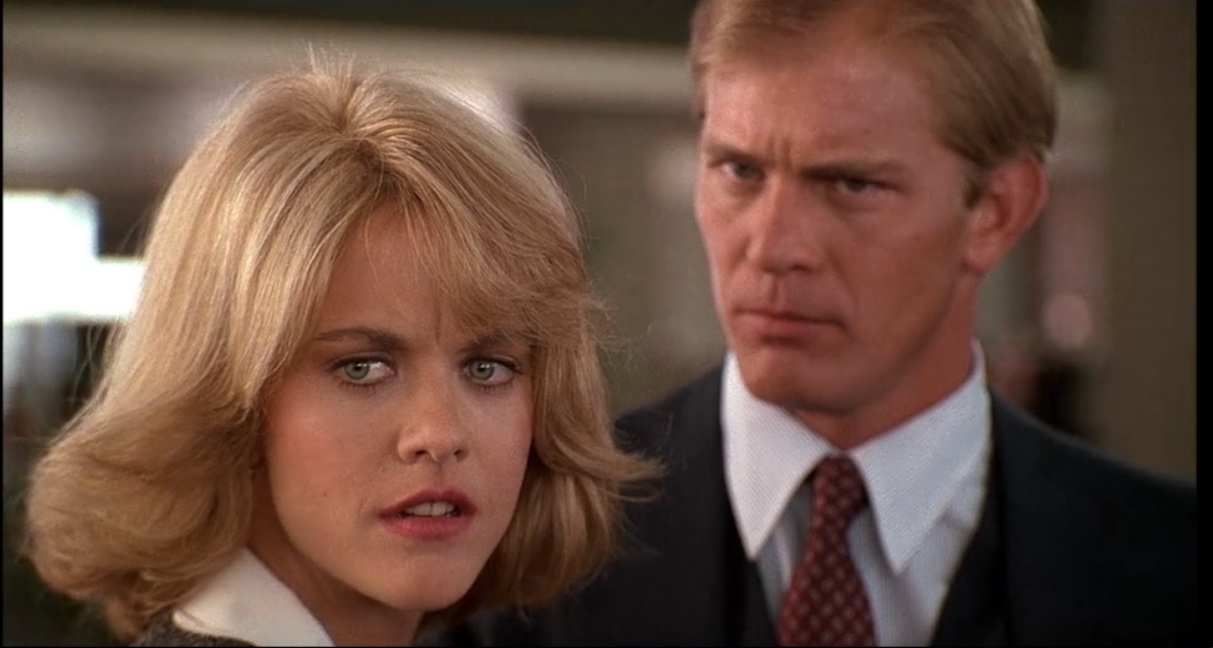
The opening chorus of Ella Fitzgerald’s bright version cues the film’s early airport scene, in which Sally (Meg Ryan) is saying goodbye to her new boyfriend Joe (Steven Ford). There, she re-encounters Harry (Billy Crystal), who, passing by, sees former fellow building occupant Joe and stops for small talk. ‘Thank god he couldn’t place me’, she says grimly, glaring after Harry down the airport concourse. ‘I drove from college to New York with him five years ago and it was the longest night of my life.’

When Harry Met Sally

Richard Rodgers and Lorenz Hart wrote ‘Where Or When’ for their musical Babes in Arms (1937). In that context, the song is talking about deja-vu. Its verse makes this theme clear: ‘Sometimes you think you’ve lived before / All that you live today.’ The chorus, where most jazz interpretations of the song start, ponders memory: ‘It seems we stood and talked like this before / We looked at each other in the same way then / But I can’t remember where or when.’ Amazingly, the performance history of the musical has active forgetting written into it, having been reimagined twice with various degrees of change to plot, racial politics and line-up of songs: as a 1939 film starring Judy Garland and Mickey Rooney, and as a stage version created by George Oppenheimer in 1959. ‘Where Or When’ features in all three versions.

The song can speak of casual flirtations.

On Etta Jones’ recording, easygoing puzzlement develops into joy, like a chance morningtime encounter that becomes a day-into-night date. Frank Sinatra’s live take with Count Basie on the other hand suggests cocktail-fuelled and quickly forgotten nights of carnal enjoyment. But the song is more than open to less celebratory, more emotionally searching interpretations.

For example, Harry Connick Jr’s rendition for the When Harry Met Sally soundtrack – a set of companion arrangements for which he won a Grammy – is intense and melancholy. It proposes forgiveness, a deliberate reckoning with a relationship’s beautiful past, whose patterns are re-emerging in the present. As the teen owner of this recording on cassette I fell completely in love with its piano solo (here, from 1.57-2.34), rewinding it repeatedly. Bryan Ferry’s folkish version, featured on his album of standards As Time Goes By (1999), performs an act of tremulous alchemy, making of the song a dreadfully sad story of memory loss and partial recognition. There, the line ‘But who knows where or when’ possesses terrible tragic irony: in the scenario that the song conjures, the experience of forgetting does not seem to be shared.

Donald Shirley’s solo piano version, released in 2001, is something else altogether. In the wake of the release of the controversial Academy Award-winner Green Book (2018), various features have reflected on his body of work: a concert pianist confronted with institutionalised racism, Shirley created beautiful interpretations of jazz compositions inflected with classical allusions. A New York Times piece refers to Kris Bowers, composer of Green Book‘s score:

“‘Lullaby of Birdland’ was one of the first ones that I knew I wanted to include, because he starts off quoting a couple of classical pieces, and then when he goes into the song, it’s almost like a false start, because he uses the melody as the beginning of a fugue,” Bowers said in an interview. “He’s doing a proper fugue, exposing the subject, et cetera, within a jazz context. I listened to that and said, ‘Wow, I’ve never heard anybody do that before.’”

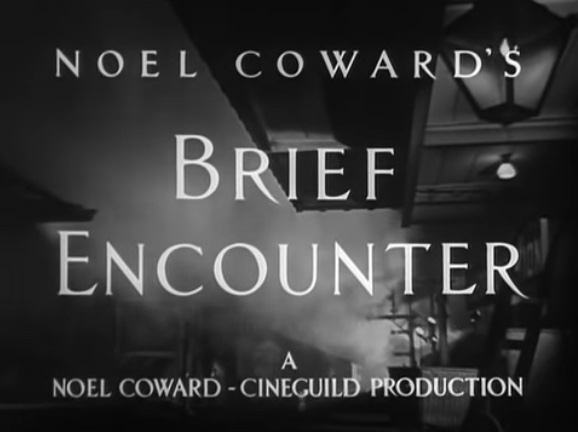
Shirley’s rendition of ‘Where Or When’ alludes poignantly to phrases and chord progressions from Rachmaninoff’s Piano Concerto No. 2 in C minor and Chopin’s Prelude in D flat (Raindrop Prelude). (These are the two I recognised; for sure there will be more that I can’t yet hear.) It evokes Noel Coward’s Brief Encounter (1945), directed by David Lean, a film indelibly associated with the Rachmaninoff work.

Brief Encounter

Shirley’s piece chimes painfully with the desperate longing dramatized by the film: a story of doomed interwar love ignited between Laura (Celia Johnson) and Alec (Trevor Howard), both of whom are married. Clouds gather at its outset. Snatches of melody promise to become more substantially themselves, but never do.

‘Some things that happen for the first time / Seem to be happening again.’ In Shirley’s exquisite performance, the ghosts of an earlier composition haunt ‘Where Or When’. Meanwhile, on-screen, a last tryst in a railway station cafe is tragically, irretrievably interrupted; love begins in a bookshop thanks to a re-meeting in ‘personal growth’.


3: Peel Me A Grape (1962)

This song has many layers.

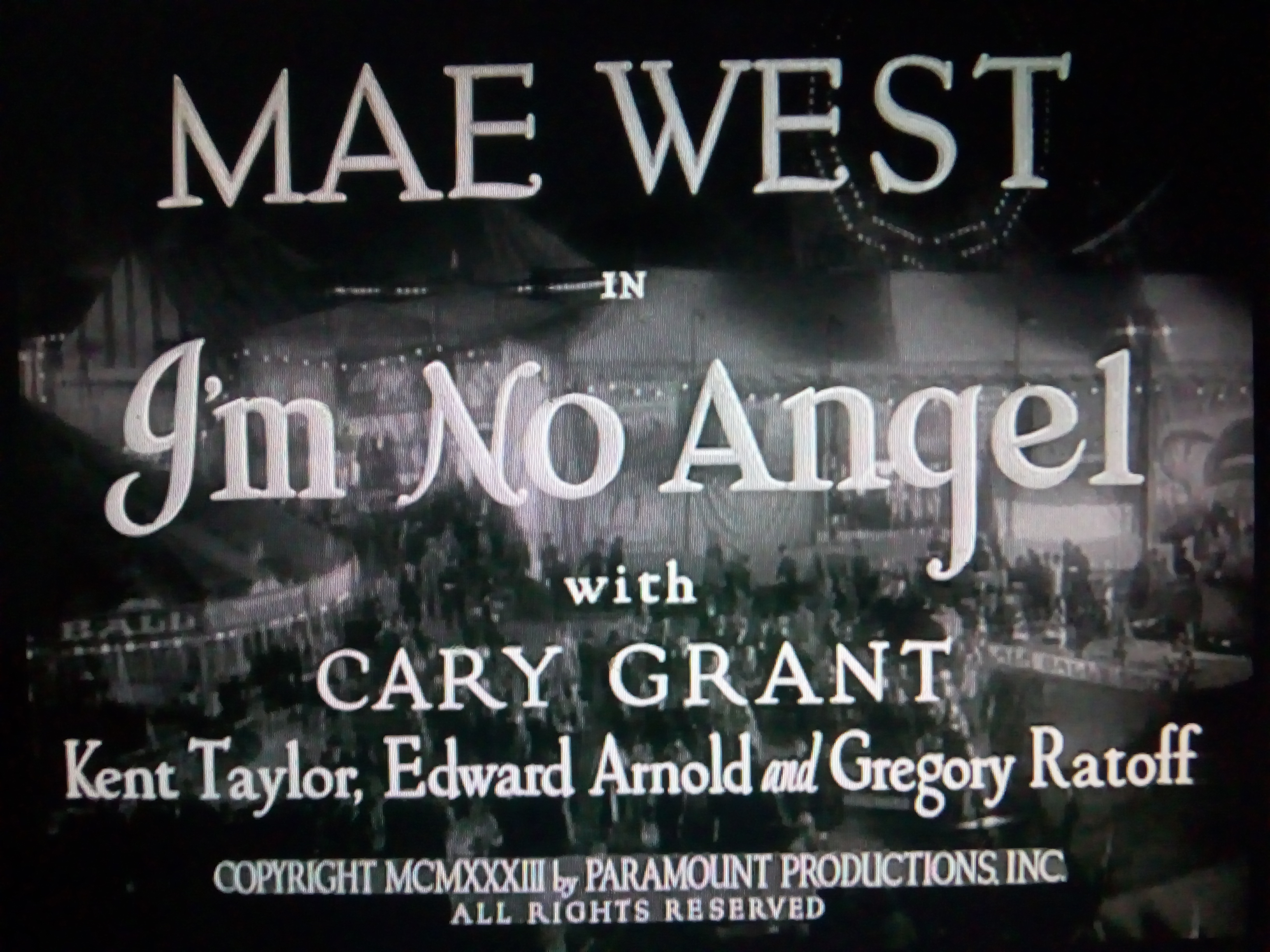
The phrase ‘peel me a grape’ was Mae West’s invention, an ad-libbed wisecrack rattled off by her character Tira, the brassy protagonist of I’m No Angel (1933).

First recorded by Anita O’Day and Cal Tjader nearly thirty years later, Dave Frishberg’s ‘Peel Me A Grape’ consists of a list of splendid demands made by a woman to a lover. She wants Scotch on delivery, polar bear rugs, peach fuzz for a pillow. “Here’s how to be an agreeable chap”, she explains. “Love me and leave me in luxury’s lap.” In case of any doubt as to who is calling the shots: “When I say do it / Jump to it.” Peel me a grape: gratify my fancies. Immediately.

Frishberg wrote the song in response to a request for “a cute, sexy piece” for singer Fran Jeffries (magnificent in The Pink Panther (1963)). The New Yorker‘s Whitney Balliett celebrated how Frishberg’s post-war composition “laughs at social ennui”. Listening to it with my female ears, a comic jab at baby boomer boredom doesn’t immediately strike me as its main thing. I hear power play and not only the obvious one.

To that extent, the story of Mae West’s I’m No Angel is fully written into the song’s DNA.

IMG_20190202_144934

Tira is a hustling circus dancer. Her ascent to the big time through a daring lion-taming act delivers her personal wealth, access to the well-to-do, and ultimately Jack Clayton (Cary Grant), with whom she falls passionately in love.

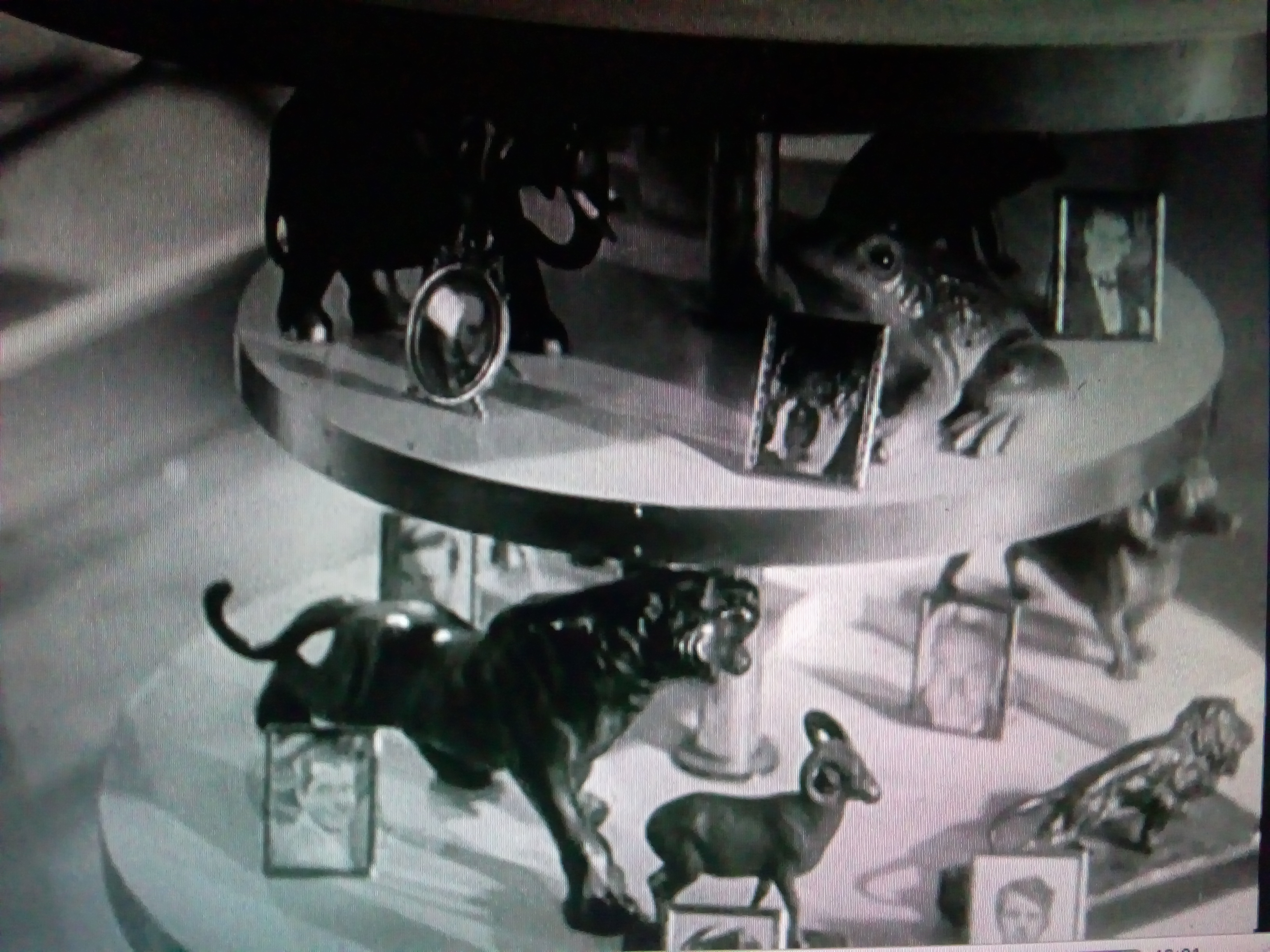
Encountering baying hordes of men who crowd in tents to watch her dance, and later, in her dealings with high society, Tira is feisty and funny. She navigates the many bear traps of a society hostile to sexually and economically independent women, and works her advantages. In respect of men, she is both huntress and hunted. Her astrological sign is Leo the Lion. Her meetings with lovers and her interactions with the circus lions share the frisson of physical danger. Meanwhile, she labels the gifts of clothing, jewellery and trinkets she receives from her conquests with their images, a kind of sexual taxonomy. This shot of animal ornaments couldn’t really be clearer on the issue.

IMG_20190202_161624

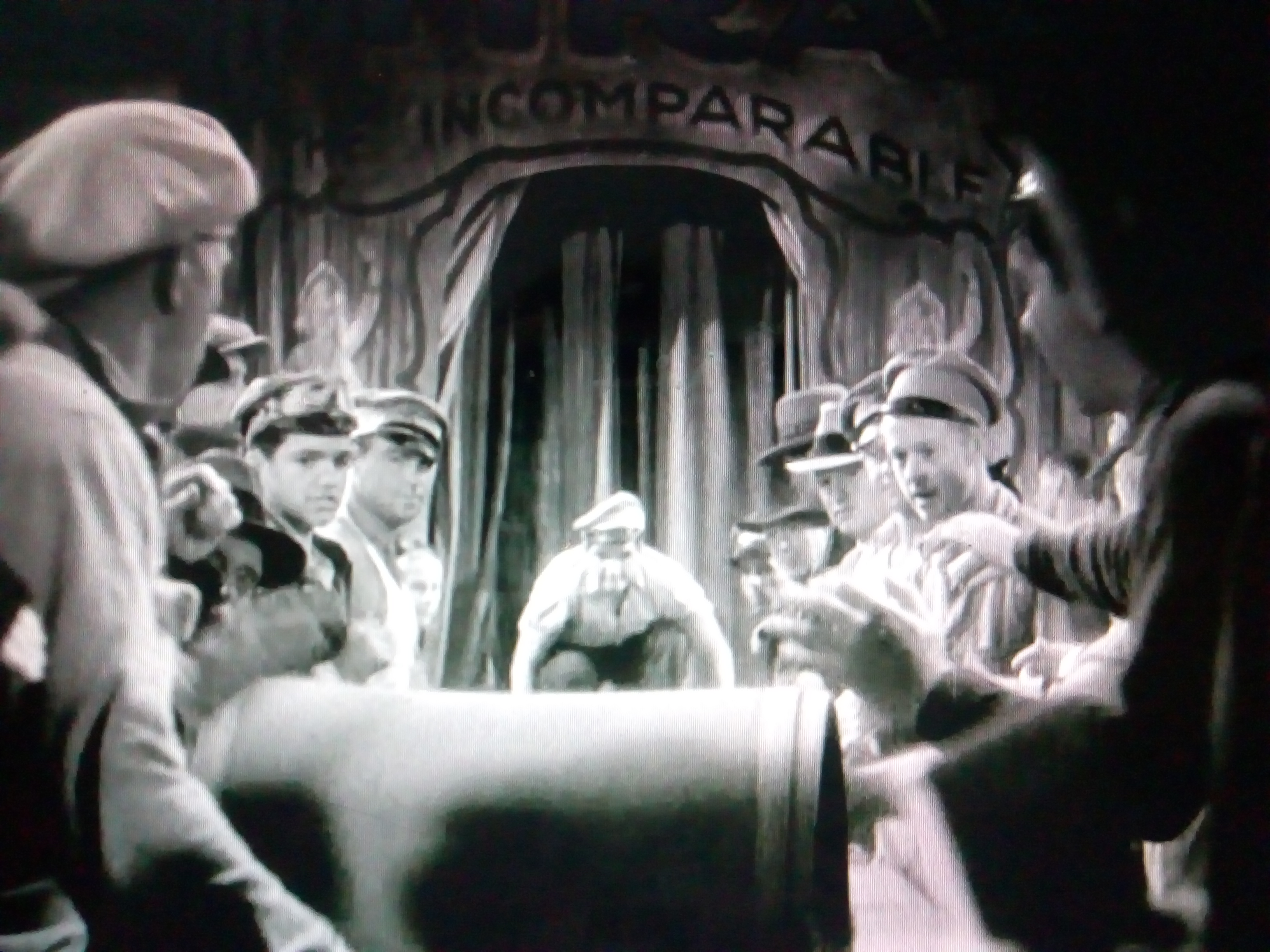
The hunt, and the evasion of capture, each involve theatre. Tira is spectacular. She’s introduced with stagehands rolling out a catwalk carpet –

IMG_20190202_145358

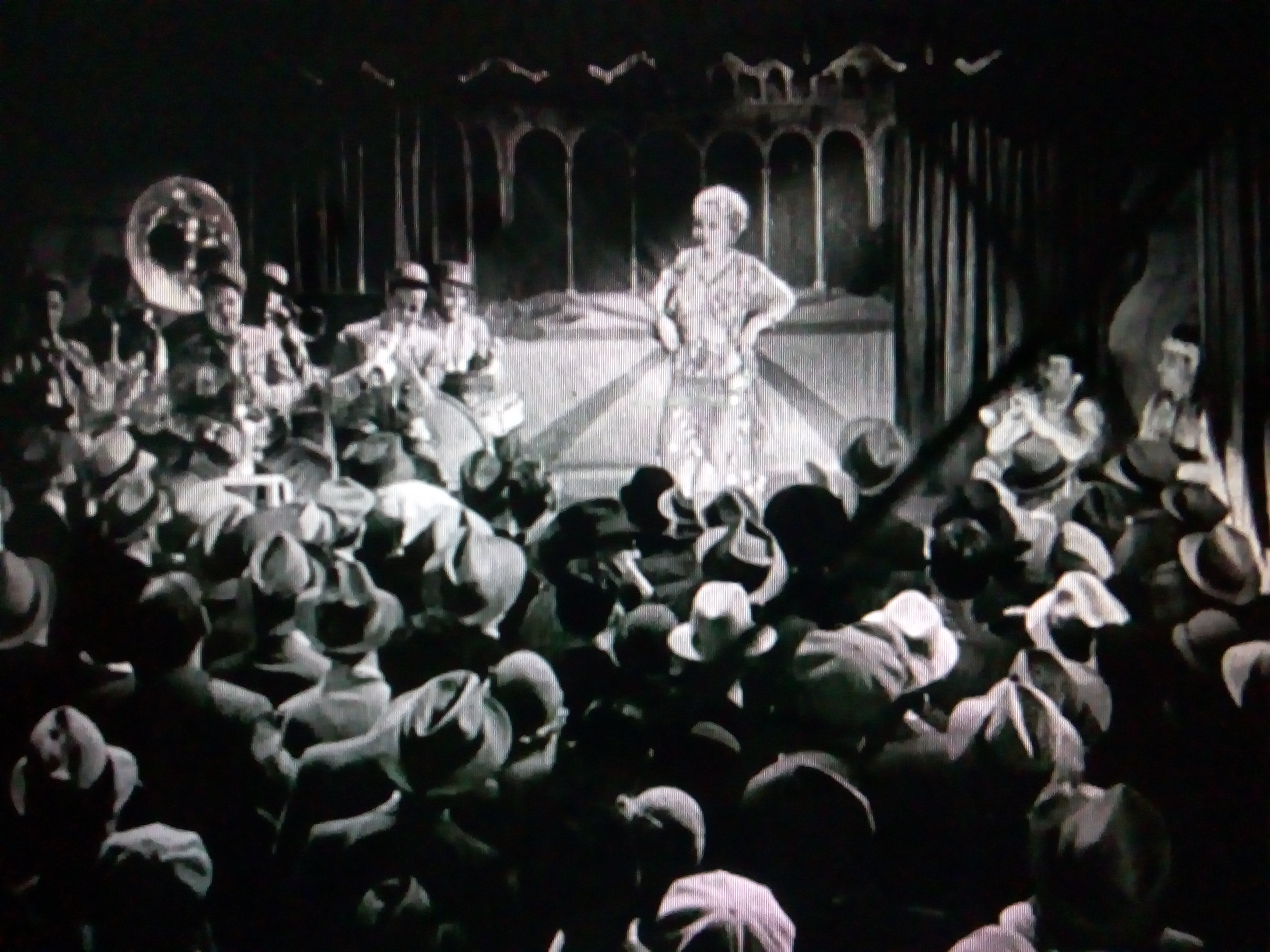
– and in performance, her costume gestures towards nudity.

IMG_20190202_145645

Exiting the stage following her dance, she purrs “Am I makin’ myself clear, boys?” – and approaching the wings, mutters smilingly to herself: “Suckers.” As she advises an unhappy fellow showgirl, to whom she donates one of her many necklaces: “Take all you can get, and give as little as possible.” Asked by rich showgoer The Chump whether she believes in marriage – this from a five-times, still married man who grasps at her body greedily – she quips: “Only as a last resort.”

The song’s catchy title appears mid-way through the film, in a scene in which society girl Alicia attempts to bribe Tira to leave her fiance alone with cold, hard cash. In disbelief at her idiotic complicity and snobbish rudeness, Tira shoves Alicia out of the door. Turning back to her apartment, Tira marks her victory by issuing this instruction to one of her African American maids:

“Oh Beulah.”

“Yes ma’am?”

“Peel me a grape.”

https://www.youtube.com/watch?v=FeRm1T9V5wc

Patricia Spears Jones unfolds the objectionable racial politics of this moment of class domination, against the desperate backdrop of the 1930s, and in complex tribute to ‘Miss Lil’, in an extraordinary poem dedicated to Gertrude Howard, the actress who played Beulah.

‘Peel Me A Grape’ isn’t talking about this episode of course, but it is about subordination. Though a demanding woman is its protagonist, I can’t help but hear as strongly the structural power of the man who is buying the mink furs and champagne.

Interpretations of the song slip and slide into a theatricality that spins the given role, plays with domination and submission, just as Mae West’s Tira negotiates her way through life. Anita O’Day sings with a sly smile in her voice. Patti LaBelle delivers a huge cabaret performance that entirely withholds access to an inner life (and, like O’Day’s, finishes up with some talk of grape varieties). Blossom Dearie performs shallow entitlement. Nancy Wilson offers the seasoned, non-serious voice of experience. In Ariana Savalas‘ hot interpretation, she whispers burlesque-ly. But the one that really gets me is Diana Krall‘s. Her delivery is tough, her piano solos alive with wit. Yet when she sings the line “Just hang around” quite quietly, the situation suddenly seems very lonely.


1: My Future Just Passed (1930)

This beautiful song has a dark heart.

Shirley Horn’s dreamy version, recorded in 1963, leads the listener gently into the woods: an idle fantasy about a man encountered by chance escalates to stalkerish obsession. Her phenomenal interpretation of this song made me want to start this blog.

Yikes, I thought, when I first listened to it in 2014. The character is decisive, even powerful, which makes it all the more unsettling. At the time I was reading Muriel Spark’s The Driver’s Seat (1970), which may or may not have had something to do with how I received it.

It wasn’t initially written to be sung by a woman.

‘My Future Just Passed’ was written by Richard A. Whiting and George Marion Jr. for musical comedy film Safety in Numbers (1930). The musical linchpin of the film, the song features as an instrumental overture accompanying the opening credits, and as a duet between its romantic protagonists.

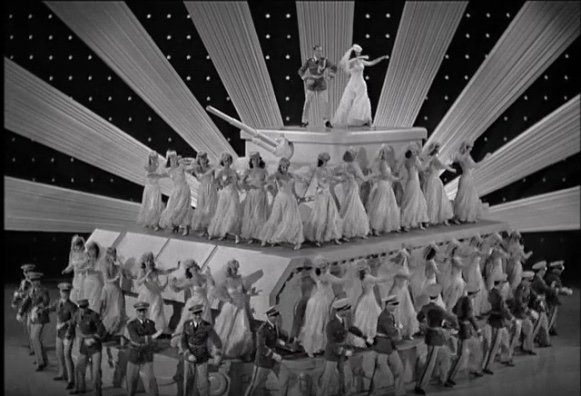
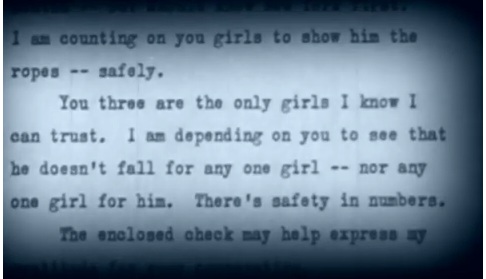
Naive young heir William Butler Reynolds (Charles ‘Buddy’ Rogers) arrives to New York City from the west, packed off by his uncle (Richard Tucker) to gain some practical knowledge of life. As he explains to his nephew in not so many words, the aim is to ensure that he doesn’t ultimately piss all of his gigantic fortune up the wall in nightclubs when he comes of age. In a letter, the uncle tasks Jacqueline (Kathryn Crawford), Maxine (Josephine Dunn) and Pauline (Carole Lombard), three Follies chorus girls, with introducing him to the city.

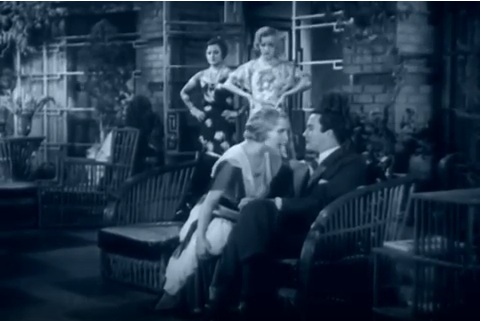
safety in numbers

The girls cohabit stylishly in a palatial Art Deco apartment with two servants. (The IMDb bio of Louise Beavers, who plays housekeeper Messalina, is amazing reading.) Their guest immediately demonstrates his maximal unworldliness. He drops his entire allowance on gifts of jewellery for them all, is unable to recognise a bra when confronted with one resting on a chair, and so on. But suddenly he discovers untapped Casanova potential, charming each girl in turn through song. They duly fight over him, abandoning their urbane shrewdness, yet also band together to protect him from the advances of other predatory chorus girls.

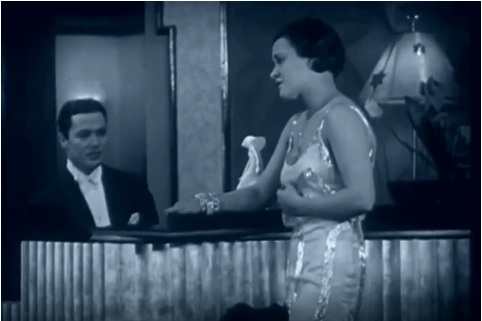
safety in numbers 2

In a move that is only surprising if you forget that the film is basically about heteronormative training, these independent performers also allow the inexperienced youth to negotiate salary on their behalf with their show’s producer.

Safety in Numbers inevitably resolves with a match: though barely any conversation seems to have been exchanged, Reynolds and Jacqueline have fallen in love.

safety in numbers 3

‘My Future Just Passed’ is Reynolds’ declaration of love for Jacqueline, followed by her mournful solo reply (here, at 1:04:55). The first chorus’ stride piano is laden with sentimentality. The song overall is anodyne. The film has made Reynolds the centre of its universe, and the girls orbit around him, so this is standard love story stuff: boy pledges undying affection to vacillating girl, and he will sever her existing “ties”, win out for sure.

In the year in which the film came out, Annette Hanshaw released a single version of ‘My Future Just Passed’ that combines Reynolds’ lyrics with additional choruses. Shirley Horn’s much later version uses these additional lyrics, but removes the cheeky verse about playing the field as a young person, and the chorus with references to school.

In Hanshaw’s version, the inclusion of the verse sets the song up as a tongue-in-cheek story of teenage flirtation and preoccupation. Her wry performance refuses to take the song’s romantic narrative seriously. She concludes the whole thing archly with a catlike ‘that’s all!’ Compared to the film’s presentation of the song, this rendition is positively subversive.

Meanwhile, Shirley Horn’s interpretation puts blissful instrumentation next to fatalistic obsession. We get to listen in on her character’s dicey inner life in the midst of sweeping strings. This juxtaposition makes the song’s theatrical metaphors pop. “Ring down the curtain, I’m certain at present / My future just passed” and “Here are my arms, may he find illusion there / Kiss my two lips, remove all the rouge on there”, sung by Horn with languid smoothness, troublingly emphasise the constructed relation between femininity and artifice. Magical thinking, manipulation, and a hopeful wish for the physical contact that would wipe lipstick traces clean away: pretty bleak. A dark heart, but so beautiful.